


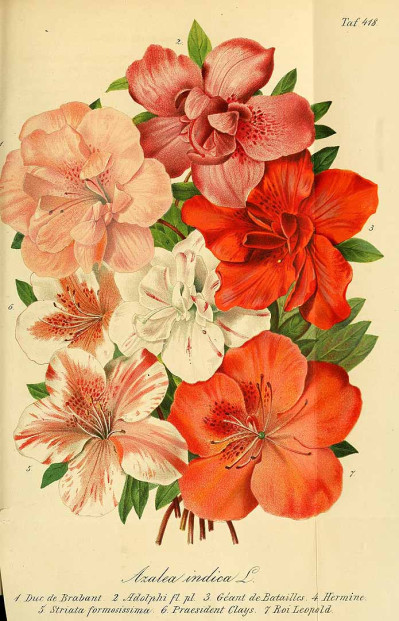
Red Azalea

 Garden The PlantShare Way ®
~ All About Satsuki azalea ~


The Rhododendron indicum is a striking evergreen shrub known for its vibrant blooms and glossy foliage. Native to Japan, this plant adds color and texture to gardens, patios, and containers. With proper care, it thrives in a variety of settings, making it an excellent choice for both beginner and experienced gardeners.
When planting Rhododendron indicum, choose a location with well-drained, acidic soil rich in organic matter. These shrubs prefer partial shade, especially in hot climates, though they can tolerate some morning sun. Avoid areas with heavy wind or full afternoon sun, as this can damage the leaves and flowers. Adding mulch around the base helps retain soil moisture and keeps the roots cool.
Watering is essential, particularly during dry periods. Keep the soil consistently moist but not waterlogged, as soggy soil can lead to root rot. Fertilize in early spring with a fertilizer formulated for acid-loving plants to encourage healthy growth and abundant blooms.
Rhododendron indicum pairs beautifully with Hydrangea macrophylla ssp. serrata and Hydrangea macrophylla, which share similar soil and light requirements. These hydrangeas also prefer acidic, moisture-retentive soil and partial shade, making them ideal companion plants. Their large, rounded or lacecap flower heads bloom later in the season, extending garden interest after rhododendrons finish flowering. The broad hydrangea leaves also provide a lush backdrop that enhances the finer texture of rhododendron foliage.
Pruning Rhododendron indicum should be done after flowering to maintain shape and remove spent flowers. This also encourages bushier growth and more blooms the following year. Deadheading faded flowers prevents seed formation and directs energy back into the plant.
Propagation can be achieved through cuttings taken in summer or early autumn. Softwood cuttings root easily in a humid environment with well-draining soil, allowing gardeners to expand their collection.
The Rhododendron indicum produces a dazzling display of flowers in shades of pink, red, and white, making it a standout in spring gardens. With proper planting, consistent watering, and routine maintenance, this evergreen shrub delivers year-round appeal and vibrant seasonal color, offering a reliable and rewarding addition to any garden landscape.
Coming soon!
Rhododendron indicum grows best in partial shade. It can tolerate some morning sun, but strong afternoon sun may scorch the leaves and reduce flowering. A sheltered spot with dappled sunlight or light shade is ideal.
Yes, Rhododendron indicum attracts pollinators such as bees and butterflies. Its brightly colored, nectar-rich flowers provide a food source for these beneficial insects, helping support a healthy garden ecosystem.
No, Rhododendron indicum is toxic to pets. Its leaves and flowers contain compounds that can cause vomiting, diarrhea, and other health issues if ingested by cats, dogs, or other animals. Keep pets away from the plant.
This shrub prefers acidic, well-drained soil rich in organic matter. A loose, humus-filled soil helps retain moisture without becoming waterlogged. Avoid heavy clay or alkaline soils, as these can stunt growth and reduce flowering. Adding compost or pine bark mulch improves soil structure and acidity.
Last updated on May 31, 2026
Species suggested by: Dina Russell, 2020
Plant Profile compiled and written by: Team PlantShare
Contributors: Team PlantShare
 Ask Us!

