




 Garden The PlantShare Way ®
~ All About French sorrel ~


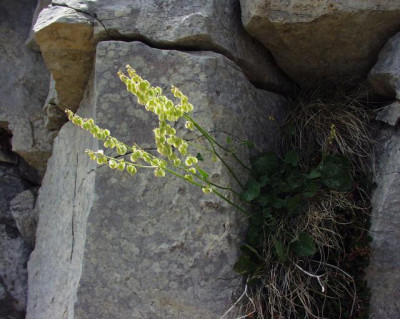
The herb Rumex scutatus, often called French sorrel or shield-leaved sorrel, is a hardy perennial that brings both flavor and beauty to the garden. With its distinctive shield-shaped leaves and tangy, lemony taste, it is a favorite for soups, sauces, and fresh salads. Beginners appreciate it for its easy growth and long harvest season, making it one of the most practical leafy herbs to cultivate.
There are many types of Sorrel, each offering unique qualities. Common sorrel (Rumex acetosa) has slender leaves with a sharp, tart flavor. Red-veined sorrel (Rumex sanguineus) is prized for its ornamental foliage streaked with crimson. The French variety, Rumex scutatus, is milder and more tender, making it especially popular in culinary use. Exploring different kinds allows gardeners to enjoy a range of flavors and appearances, from decorative to highly productive.
The garden Sorrel plant thrives in well-drained, fertile soil with consistent moisture. It prefers full sun in cooler regions but benefits from partial shade in hot climates to prevent the leaves from becoming too coarse. Regular harvesting encourages fresh growth, and cutting back flower stalks helps prolong the leaf harvest. Mulching around the base conserves soil moisture and keeps the roots cool.
In the kitchen, sorrel is one of the earliest greens available in spring and continues to produce until fall. Its lemon-like tang complements fish, eggs, and creamy sauces. Younger leaves are best for fresh use, while larger leaves are excellent for cooking.
With its ease of cultivation and versatility, Rumex scutatus deserves a spot in every herb bed. By experimenting with different types of Sorrel and adding this plant or two, beginner gardeners can enjoy a steady supply of flavorful greens while enhancing the beauty and productivity of their outdoor space.
Rumex scutatus, also called French sorrel, is most often used in cooking. Its lemony leaves add flavor to soups, sauces, salads, and egg dishes. It is also valued as one of the earliest greens in spring.
It is primarily an herb, grown for its edible leaves. However, its shield-shaped foliage and neat growth habit also give it some ornamental appeal in herb beds and borders.
It grows quickly once established. Young plants produce harvestable leaves within a few weeks in spring, and regular cutting encourages fresh new growth throughout the season.
This sorrel can self-seed if left unchecked. To control it, remove flower stalks before they set seed and harvest leaves often. Planting in containers or raised beds also helps limit its spread.
Rumex scutatus contains oxalic acid, which can be harmful to pets if eaten in large amounts. While small accidental nibbles are usually not dangerous, it’s best to keep the plant out of reach of cats, dogs, and other animals.
Last updated on May 31, 2026
Species suggested by: Dina Russell, 2020
Plant Profile compiled and written by: Team PlantShare
Contributors: Team PlantShare
 Ask Us!

