



 Garden The PlantShare Way ®
~ All About Bloody dock ~

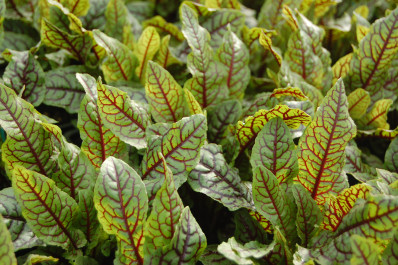
If you’re looking for a plant that’s both beautiful and useful, the Red Veined Sorrel (Rumex sanguineus) is an excellent choice. Known for its striking leaves, this hardy herb adds color to your garden and flavor to your kitchen. Its bright green foliage with deep crimson veins creates a bold contrast that looks stunning in garden beds, borders, and even containers.
The Red Veined Sorrel growing conditions are easy to meet, making it perfect for beginners. It thrives in full sun to partial shade and prefers moist, well-drained soil rich in organic matter. Keep the soil consistently damp but not waterlogged. Regular watering encourages lush growth, while occasional trimming prevents the plant from becoming too tall or woody.
Red Veined Sorrel also makes an excellent companion for Lactuca sativa, commonly known as garden lettuce. Both plants prefer similar light and moisture conditions, which makes them easy to grow together in the same bed or container. Lettuce grows low and matures quickly, while sorrel adds height and striking color, creating an attractive layered look. In warmer weather, the slight shade from sorrel can help slow lettuce from bolting too quickly, making this pairing both practical and visually appealing.
Its leaves have a mild lemony flavor, similar to spinach with a tangy twist. They can be used fresh in salads, blended into smoothies, or lightly cooked in soups and sauces. Younger leaves taste the best, as older ones can become bitter.
However, be aware that its invasive tendencies may appear in certain climates. It self-seeds easily, so it can spread if not managed. To control this, remove flower stalks before they set seed or grow the plant in containers.
Aside from its culinary uses, it is also a great ornamental addition to mixed borders and herb gardens. Its vivid foliage remains attractive from spring through fall, offering long-lasting beauty with minimal care.
In summary, this vibrant, low-maintenance herb provides both visual appeal and edible value. With proper attention to watering and pruning, Red Veined Sorrel can be a colorful and practical highlight in any home garden.
Red Veined Sorrel (Rumex sanguineus) is a perennial plant. It comes back every year once established and can live for several seasons if cared for properly. In cold climates, it may die back in winter but will regrow in spring.
Yes, Rumex sanguineus is edible. The young leaves have a mild lemony flavor and are great in salads, soups, or sautés. They contain oxalic acid, like spinach or chard, so they should be eaten in moderation, especially by people sensitive to acidic foods.
This plant grows best in partial shade but also tolerates full sun in cooler regions. In hot areas, some afternoon shade helps prevent the leaves from wilting or turning bitter. A mix of light and shade keeps the foliage tender and brightly colored.
Keep the soil consistently moist but not soggy. Water deeply once or twice a week, depending on weather and soil type. In hotter months, you may need to water more often. The key is to never let the soil dry out completely.
Red veined sorrel usually grows 12 to 18 inches tall and about the same width. In rich soil and mild climates, it may grow slightly taller, especially when it begins to flower.
Harvest young leaves when they’re about 3 to 5 inches long for the best flavor. Cut the outer leaves first, leaving the inner ones to keep growing. Use them fresh in salads, mix them into soups, or cook them lightly like spinach for a tangy, lemon-flavored side dish.
Last updated on May 31, 2026
Species suggested by: Dina Russell, 2020
Plant Profile compiled and written by: Team PlantShare
Contributors: Team PlantShare
 Ask Us!