



 Garden The PlantShare Way ®
~ All About Common Columbine ~


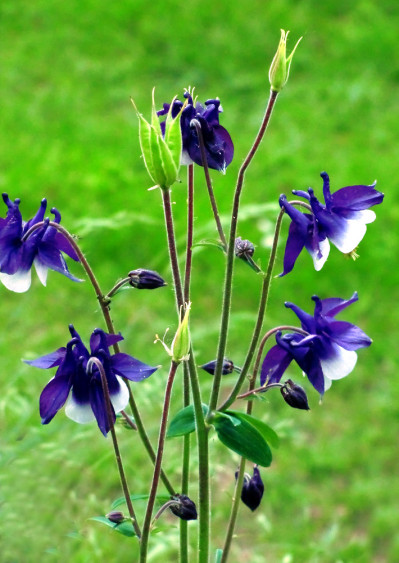
If you want a graceful perennial that adds charm and movement to your garden, Aquilegia vulgaris stands out as an excellent choice. Commonly known as European columbine, this plant produces delicate, nodding flowers in shades of purple, blue, pink, and white. Its unique spurred petals create visual interest and attract pollinators such as bees and hummingbirds.
For successful Aquilegia vulgaris growth, choose a location with partial shade, although the plant can tolerate full sun in cooler climates. Plant it in well-drained, moderately fertile soil enriched with compost. Water regularly during the first growing season to help roots establish. Once established, Aquilegia vulgaris handles short dry spells, but consistent moisture supports better flowering.
Deadhead spent blooms to encourage a longer display, or allow some flowers to set seed if you want natural reseeding. This plant often self-sows gently, which helps create a relaxed, cottage-style look without becoming invasive. Cut back foliage after flowering if it looks tired, and you will often see fresh leaves emerge.
For a striking companion plant, pair Aquilegia vulgaris with Digitalis purpurea. Known as foxglove, it produces tall spikes of tubular flowers that rise above the garden bed. While Aquilegia vulgaris forms a soft mound with airy blooms, Digitalis purpurea adds height and strong vertical lines. Together, they create depth and structure in spring and early summer borders.
This combination also benefits pollinators. Bees frequently visit both plants, which strengthens your garden’s ecosystem. Place Aquilegia vulgaris toward the front or middle of the border and position Digitalis purpurea behind it to highlight the contrast in height and flower shape.
With proper placement and simple care, Aquilegia vulgaris delivers reliable color and elegance, making it an ideal perennial for beginners who want beauty without complicated maintenance.
Columbines usually bloom in late spring and early summer. In most regions, this happens from May through June, though timing can shift slightly depending on the climate.
The blooms last for about four to six weeks. If you remove spent flowers, sometimes the plant produces a second, smaller flush of blooms later in the season.
Columbines need well-drained soil, regular watering during dry spells, and a spot with sun to light shade. Cutting back old stems after flowering helps keep the plant healthy and may encourage new growth.
Yes, all parts of the plant contain toxic compounds. While they are not usually deadly, eating them can cause stomach problems, so they should not be consumed.
Start aquilegia (columbine) from seed or small nursery plants. Plant them in fertile, well-drained soil and water regularly until established. They grow best in areas with cool weather and partial sun, and they often reseed themselves for new plants each year.
Last updated on Aug 02, 2026
Species suggested by: Dina Russell, 2020
Plant Profile compiled and written by: Team PlantShare
Contributors: Team PlantShare
 Ask Us!

