


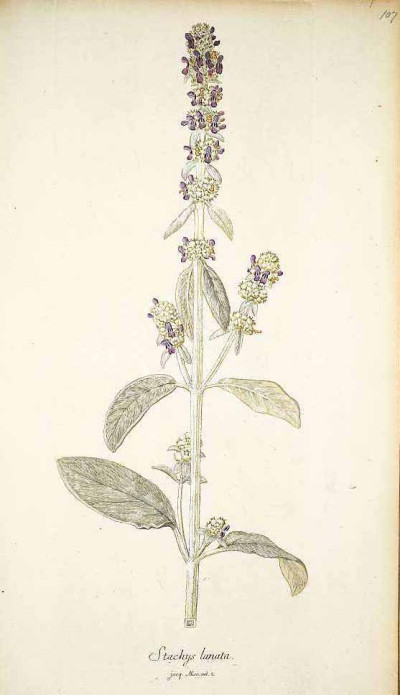
Grey Stachys

 Garden The PlantShare Way ®
~ All About Lamb's ear ~


Stachys byzantina, commonly known as lamb’s ear, is a hardy ornamental plant valued for its soft, silvery foliage and dependable growth. It is a true perennial in most climates and returns each year with minimal effort, which makes it a favorite among beginner gardeners. In mild regions, the foliage often stays evergreen, while colder winters may cause dieback followed by fresh spring growth.
Blooming usually occurs from late spring into early summer. Stachys byzantina produces upright flower spikes with small pink to purple flowers that rise above the leaves. While these blooms attract bees and other pollinators, many gardeners remove the flower stalks early to keep the plant compact and emphasize its distinctive foliage, which remains attractive for most of the growing season.
Care for Stachys byzantina stays simple. The plant prefers full sun and well-drained soil and performs best in dry conditions once established. Too much water is the most common problem, as soggy soil can lead to rot. Light watering during prolonged dry periods is usually enough. Removing damaged or browning leaves throughout the season improves airflow and helps maintain a clean appearance.
Pruning remains minimal and mostly cosmetic. Trim spent flower stalks after blooming and remove old growth in early spring to encourage healthy new leaves. Transplanting or dividing clumps works best in spring or early fall and helps control spread while keeping plants vigorous.
As a companion plant, Rudbeckia hirta, commonly known as black-eyed Susan, pairs beautifully with Stachys byzantina. Its bright yellow flowers create strong color contrast against the soft silver foliage, and both plants thrive in full sun with similar watering needs. Together, they form a low-maintenance, visually striking combination.
With proper placement and compatible companions like Rudbeckia hirta, it adds texture, contrast, and long-lasting appeal to the garden.
Coming soon!
Lamb’s ear (Stachys byzantina) grows best in full sun, but it can also handle partial shade. At least six hours of direct light each day keeps the leaves dense and silvery. Too much shade may cause the plant to stretch and lose its compact shape.
Yes. Lamb’s ear is very drought-tolerant once established. It thrives in hot and dry conditions as long as the soil drains well. In areas with high humidity, it may need extra airflow to prevent leaf rot.
Lamb’s ear does not need heavy feeding. A light application of balanced fertilizer once in spring is usually enough. Too much fertilizer can lead to weak, floppy growth, so it’s better to keep it simple.
Yes. Lamb’s ear is excellent for both uses. Its soft, silvery leaves make it a decorative plant along borders or pathways, while its spreading growth works well as a ground cover to suppress weeds and fill empty spaces.
Last updated on May 31, 2026
Species suggested by: Dina Russell, 2020
Plant Profile compiled and written by: Team PlantShare
Contributors: Team PlantShare
 Ask Us!

