



 Garden The PlantShare Way ®

~ All About Mexican snowball ~


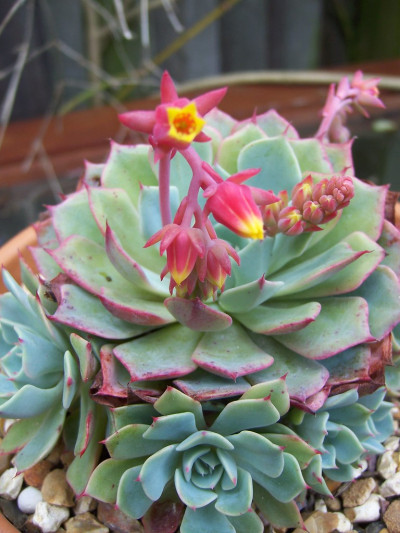
If you love low-maintenance, elegant plants, the Echeveria elegans is one of the most rewarding succulents to grow. Known for its rosette shape and pastel tones, this plant thrives in bright light and requires minimal care once established. There are many Echeveria plant types, each with distinct leaf colors, textures, and sizes. Popular varieties include Echeveria elegans, Echeveria lilacina, and Echeveria agavoides. Each adds a unique touch to indoor collections or outdoor rock gardens.
To grow Echeveria successfully, start with a well-draining soil mix. A cactus or succulent blend works perfectly, as it prevents root rot. Place your plant where it can get at least six hours of indirect sunlight each day. If grown indoors, a south-facing window is ideal. Water only when the soil is completely dry—usually once every one to two weeks. Overwatering is the most common mistake beginners make, so always let the soil dry between watering sessions.
When it comes to plant care, the key factors are sunlight, water balance, and airflow. Too little light makes the rosette stretch and lose its compact form. Too much moisture can cause the leaves to fall off or rot. In winter, reduce watering since growth naturally slows down. Fertilizing is optional, but a diluted succulent fertilizer during spring can boost color and growth.
Echeveria elegans propagation is simple and satisfying. Gently remove a healthy leaf or offset, let it callous for a few days, and place it on top of slightly moist soil. Within weeks, tiny roots and new rosettes will begin to form.
With just a little patience and the right care, Echeveria elegans will reward you with stunning, sculptural beauty year-round—making it a perfect choice for both new and experienced gardeners.
Echeveria elegans, also known as the Mexican Snowball, stays fairly compact. Most mature plants reach about 4 to 6 inches (10–15 cm) wide and 3 to 5 inches (8–13 cm) tall. Over time, they can form clusters as new rosettes, called offsets, grow around the base. With proper care, these clusters can spread into a small, attractive mat of soft blue-green rosettes.
This succulent loves bright light. It needs at least 4 to 6 hours of direct or strong indirect sunlight each day to stay healthy and maintain its color. Outdoors, place it in full sun with some afternoon shade in very hot areas. Indoors, a sunny windowsill facing south or west works best. If it doesn’t get enough light, the plant may stretch out and lose its compact shape.
Watering should be infrequent but deep. Let the soil dry completely before watering again—usually every 1 to 2 weeks in summer and less in winter. Pour water directly onto the soil, not the leaves, to avoid rot. A simple rule is: when in doubt, don’t water yet. Overwatering is the most common reason succulents die.
No, Echeveria elegans is not frost-tolerant. It prefers temperatures between 60°F and 80°F (15°C–27°C). If the temperature drops below 40°F (4°C), bring it indoors or cover it to prevent damage. In colder regions, it’s best to grow it in pots so you can move it inside during winter. Frost can quickly kill the soft, fleshy leaves.
Last updated on May 31, 2026
Species suggested by: Simone Feurstein, 2020
Plant Profile compiled and written by: Team PlantShare
Contributors: Team PlantShare
 Ask Us!