



 Garden The PlantShare Way ®
~ All About Maguey Sbari ~


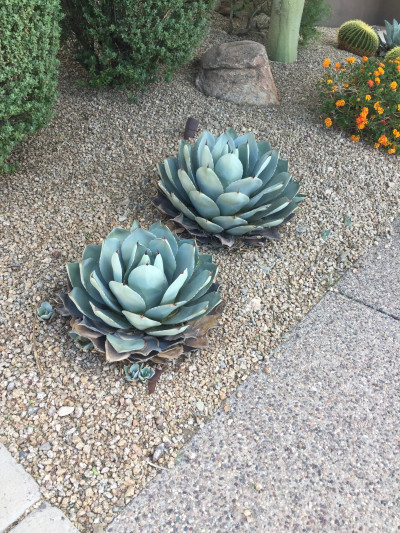
The Agave parviflora is a small but striking succulent native to the deserts of Arizona and Mexico. Known for its compact rosette of dark green leaves lined with white hairs and delicate filaments, this plant adds sculptural beauty to any garden or indoor collection. Its symmetrical form and low maintenance needs make it ideal for beginners who want a touch of desert elegance without constant upkeep.
When it comes to growing Agave parviflora, sunlight plays a central role. This plant thrives in full sun and also tolerates partial shade, especially in hotter regions. Indoors, place it near a bright south- or west-facing window so it maintains rich color and firm leaf structure. Outdoors, select a sunny, dry location with good airflow to reduce excess moisture around the crown.
Soil and watering practices strongly influence plant health. Use a gritty, well-draining cactus mix or sandy soil that allows water to pass through quickly. Agave parviflora stores moisture in its leaves, so water only after the soil dries completely. Overwatering damages the roots faster than drought ever will. During winter, reduce watering further as the plant enters a resting phase.
Under optimal conditions, mature plants may send up slender flower spikes with small, pale blooms that attract hummingbirds and pollinators. After flowering, the main rosette slowly declines, but offsets often develop at the base, making propagation simple and rewarding.
Lavandula angustifolia makes an excellent companion plant for Agave parviflora. Both prefer full sun, dry soil, and minimal watering. Lavender’s soft, aromatic foliage contrasts beautifully with the agave’s sharp, architectural form while also attracting beneficial insects. Planted together in a rock garden or xeriscape, they create a balanced, drought-tolerant display that looks refined and intentional.
With its resilience, compact size, and striking form, Agave parviflora offers lasting visual impact with very little effort, making it a standout choice for modern, water-wise gardens
Agave parviflora stays quite small compared to most agave species. It usually grows about 6 to 8 inches tall and 8 to 10 inches wide. The plant forms a neat rosette of narrow, pointed leaves with white hairs and markings. Its compact size makes it perfect for pots, rock gardens, or small outdoor spaces.
Yes, Agave parviflora thrives in full sunlight. It needs at least six hours of direct sun each day to grow strong and keep its rich green color. If grown indoors, place it near a bright, sunny window. In outdoor gardens, pick a spot that gets plenty of light but has well-draining soil. Too much shade can make the plant stretch and lose its compact shape.
Agave parviflora can handle mild cold but not hard frost. It survives brief drops to around 25°F (-4°C) if kept dry, but repeated freezing can damage the leaves. If you live in a cold area, grow it in a container and move it indoors during winter. A bright, cool room will help it stay healthy until temperatures rise again.
This agave prefers dry conditions, so water only when the soil is completely dry. In warm months, that usually means every 2–3 weeks. During winter, water once a month or less. Always let excess water drain out and avoid letting the plant sit in moisture, as this can lead to root rot.
Last updated on Aug 02, 2026
Species suggested by: Catherine Ko, 2020
Plant Profile compiled and written by: Team PlantShare
Contributors: Catherine Ko & Jeffrey Lazar
 Ask Us!