


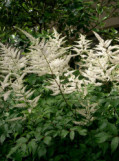
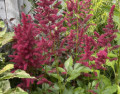
White Astilbe

 Garden The PlantShare Way ®
~ All About Chinese Astilbe ~


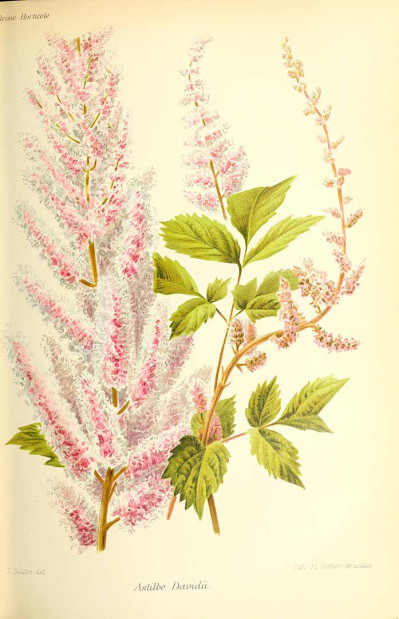
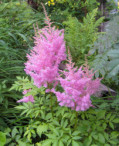
The graceful and feathery plumes of astilbes make them a favorite among gardeners who want texture and color in shady areas. There are many varieties of Astilbe, each offering unique shades of pink, red, white, or lavender. From the compact Astilbe chinensis to the tall Astilbe arendsii, these hardy perennials bring elegance to woodland gardens, borders, and containers.
Understanding Astilbe chinensis growing conditions is key to success. These plants thrive in partial shade and prefer moist, well-drained soil rich in organic matter. Consistent moisture matters, especially during summer heat, since dry soil causes leaves to wilt and flowers to fade quickly. Mulching helps retain moisture and keeps the roots cool. Most varieties grow well in USDA zones 3 through 8, where they tolerate cold winters when protected with mulch.
When growing Astilbe chinensis, plan for long-term care. Divide mature clumps every three to four years to maintain strong growth and steady flowering. Lift the plant, separate healthy sections, and replant them in enriched soil. Early spring or late fall works best for dividing, as cooler temperatures reduce stress and support root development.
Proper Astilbe chinensis pruning keeps plants tidy and productive. After flowering, cut back spent stalks to improve appearance, but leave foliage intact until late fall. The leaves help protect the crown during winter dormancy.
Heuchera hybrids make excellent companion plants for astilbes. They share similar preferences for partial shade and evenly moist soil. Their colorful foliage, ranging from deep burgundy to lime green and silver, provides year-round interest even when astilbe is not in bloom. Planted together, astilbes add soft, upright flowers while heucheras create a dense, attractive ground layer that suppresses weeds.
With proper moisture, thoughtful pruning, and well-matched companion plants, astilbes can transform shaded garden spaces into vibrant, elegant displays that thrive year after year.
Astilbe chinensis blooms in mid to late summer, usually from July to August. The flower spikes can last for several weeks, bringing color and texture to shady garden spots.
Yes, Astilbe spreads slowly through its roots, forming clumps that expand over time. It’s not invasive, but it will fill out garden spaces nicely if given room.
Plant Astilbe chinensis in early spring or early fall. Cooler weather and moist soil help the roots establish before extreme heat or cold.
Astilbe is a perennial. It comes back every year, producing more blooms as it matures.
Most Astilbes grow between 1 and 3 feet tall, though some larger varieties can reach up to 4 feet when in full bloom.
Choose a partially shaded spot with moist, rich, and well-draining soil. It grows best under trees or along shaded garden borders.
Transplant in early spring or fall when the weather is cool. This helps reduce stress and allows the plant to reestablish easily.
Keep the soil moist at all times and add mulch to prevent drying out. Feed with compost or a balanced fertilizer in spring for stronger growth.
Deadheading isn’t required, but removing faded blooms keeps the plant tidy. Some gardeners leave the seed heads for winter interest.
Divide every 3–4 years in spring or fall to refresh growth and prevent overcrowding.
Dig up the clump carefully, cut it into smaller sections with healthy roots, and replant them right away in moist soil.
Space plants 18 to 24 inches apart to give them room to grow and spread naturally.
No, Astilbe chinensis blooms once per season. However, its flowers last a long time and look lovely even when dried.
It can grow in full shade, but flowering may be reduced. Partial shade with a few hours of gentle sunlight gives the best results.
Last updated on Aug 02, 2026
Species suggested by: Dina Russell, 2020
Plant Profile compiled and written by: Team PlantShare
Contributors: Team PlantShare
 Ask Us!