



 Garden The PlantShare Way ®
~ All About Scouring rush ~


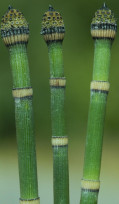
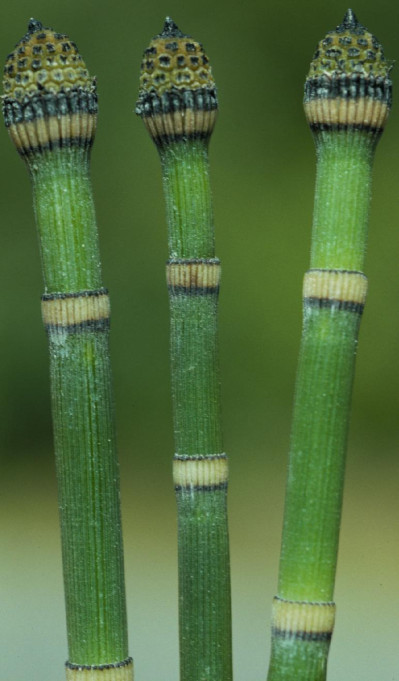
Equisetum hyemale, also known as Rough Horsetail plant, is a striking, reed-like perennial that adds bold structure to gardens and water features. It’s an ancient plant species, prized for its upright green stems with dark joints and minimal maintenance needs. With proper plant care, it can be both a decorative and durable addition to any landscape.
When growing Equisetum hyemale, the key is moisture. This plant naturally thrives near streams, ponds, and wetlands, so it prefers consistently damp soil. It can even grow in shallow water, making it perfect for rain gardens or as a natural pond border. While it tolerates a range of light conditions, from full sun to partial shade, it looks best in bright light where the stems stay strong and upright.
Watering should mimic its natural environment. Keep the soil moist at all times, never letting it dry out completely. If grown in containers, water frequently to maintain damp conditions. It’s also important to use a pot with no drainage holes if you want to contain moisture more effectively.
Propagation is simple: usually done through division. Separate clumps in spring or early summer and replant them immediately in moist soil or water. The plant’s rhizomes spread quickly, so regular division helps control growth.
Gardeners should note that Equisetum hyemale has invasive tendencies that can become a concern in open ground. Its underground stems spread aggressively, making it difficult to remove once established. To prevent this, plant it in containers or install barriers around garden beds.
As a companion plant, Sarracenia rubra makes an excellent choice for similarly moist environments. Commonly known as the Sweet Pitcher Plant, this carnivorous species thrives in consistently wet, acidic soils. Conditions often found in bog gardens or along water features. Its slender, tubular red pitchers create a dramatic contrast to the rigid, vertical stems of horsetail. While Equisetum provides strong architectural lines, Sarracenia adds unusual form and seasonal interest, along with the added benefit of attracting and trapping insects naturally. Together, they create a bold, wetland-inspired planting with texture, height variation, and visual intrigue.
With thoughtful placement and consistent moisture, Equisetum hyemale paired with Sarracenia rubra can transform damp areas into striking focal points, combining prehistoric elegance with unique botanical character.
To grow Equisetum hyemale, plant it in moist or wet soil, similar to the conditions near ponds or streams. It does best in full sun but also tolerates partial shade. You can grow it directly in the ground or in containers to control its spread. Keep the soil constantly damp—this plant thrives in waterlogged areas and can even grow in shallow standing water.
Rough Horsetail naturally grows in wetlands, along riverbanks, ponds, and marshy areas. It prefers damp, low-lying soil that stays moist year-round. Because of its hardy nature, it can also grow in ditches, roadside areas, and other places with poor drainage.
Depending on the variety and growing conditions, horsetail typically reaches 2 to 4 feet tall. In ideal environments with plenty of moisture and sunlight, it can grow slightly taller, forming dense, upright clusters that resemble bamboo.
Removing Equisetum hyemale can be difficult because it spreads through deep, strong rhizomes. To control it, dig up the roots carefully and remove all fragments, as even small pieces can regrow. Repeated mowing or cutting back helps weaken the plant over time. If it’s spreading too aggressively, install underground barriers or plant it in sealed containers to keep it contained.
Equisetum hyemale grows well in full sun to partial shade. For the best color and sturdy growth, give it at least six hours of sunlight per day. In very hot areas, light afternoon shade helps prevent the stems from drying out too quickly.
Last updated on Jul 13, 2026
Species suggested by: Dina Russell, 2020
Plant Profile compiled and written by: Team PlantShare
Contributors: Team PlantShare
 Ask Us!