



 Garden The PlantShare Way ®

~ All About Common Borage ~


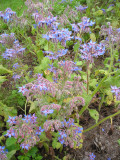
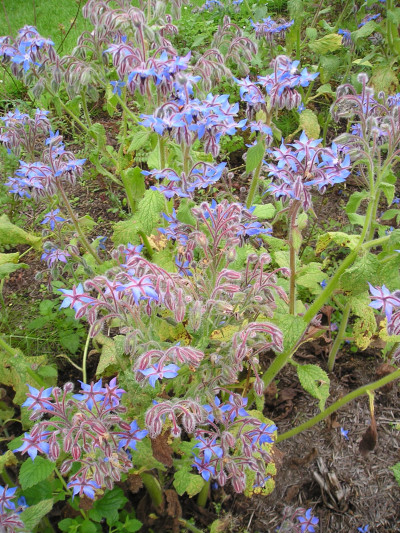
The Borago officinalis, commonly known as Borage or Starflower, is a beautiful and easy-to-grow herb loved for its bright blue flowers and fuzzy green leaves. It’s not only attractive but also edible and beneficial for pollinators. Understanding proper plant care helps new gardeners enjoy a thriving, productive plant throughout the season.
When it comes to growing Borage from seed, the process is simple. Sow seeds directly into the garden after the last frost, as borage doesn’t like being transplanted. Plant the seeds about ¼ inch deep in loose, well-draining soil. Within a week or two, the seedlings will appear. Borage grows quickly and reseeds itself easily, so once planted, it often returns each year without much effort.
Knowing your growing zones helps ensure success. Borage thrives in USDA Zones 3–10 and prefers full sun, though it can tolerate partial shade in hotter climates. It grows best in soil enriched with organic matter but adapts well to average garden conditions. It also makes an excellent companion plant for Pisum sativum and Solanum lycopersicum. Borage is known to attract pollinators, which can improve pea and tomato yields. Its tall, airy growth provides light shade and helps create a diverse planting environment, while peas enrich the soil with nitrogen that benefits nearby plants. When planted near tomatoes, borage is often appreciated for drawing beneficial insects that support overall garden health.
When following a planting guide, space plants 12–18 inches apart to give them room to spread. Regular harvesting encourages new blooms and helps maintain a tidy shape.
Proper watering is key to healthy plants. The Borage water requirements are moderate, keep the soil evenly moist, especially during dry spells, but avoid waterlogging. Deep watering once or twice a week is usually enough. Mulching around the base helps retain moisture and reduce weeds.
Aside from being easy to grow, Borage has many uses. Its flowers attract bees, while the leaves and blooms are edible, adding a cucumber-like flavor to salads and drinks. With basic plant care, you’ll enjoy both beauty and utility in your herb garden year after year.
Borago officinalis, or Borage, is an annual plant. It completes its life cycle in one growing season. However, it easily reseeds itself, so new plants often appear each spring without replanting, making it seem almost perennial in the garden.
Yes, Borage flowers are edible. They have a mild, cucumber-like flavor and are often used to decorate salads, desserts, or drinks. The star-shaped blue blooms can also be frozen in ice cubes or added to teas for a refreshing touch.
Borage grows best in full sun. It needs at least six hours of direct sunlight each day to produce strong stems and abundant blooms. In very hot climates, some light afternoon shade helps protect it from wilting.
Water Borage regularly to keep the soil evenly moist but not soggy. During hot or dry periods, water deeply once or twice a week. Once established, borage can handle short dry spells, but consistent watering encourages better growth and more flowers.
Last updated on Oct 19, 2026
Species suggested by: Dina Russell, 2020
Plant Profile compiled and written by: Teresa Teresa
Contributors: Jeffrey Lazar
 Ask Us!