



 Garden The PlantShare Way ®

~ All About Garden pea ~

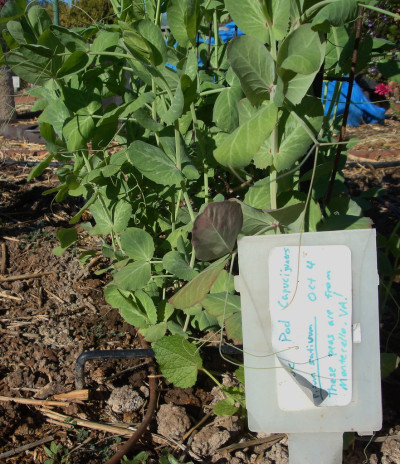
The garden pea, Pisum sativum, is one of the most rewarding crops for beginners, offering quick harvests and fresh, sweet flavor straight from the garden. Many garden pea varieties exist, each with distinct characteristics. Shelling peas grow plump seeds that you remove from the pod, snow peas produce flat, tender pods eaten whole, and snap peas combine sweetness with crisp, edible pods. Understanding these types helps gardeners choose the best option for their space and taste preferences.
The pea origin dates back thousands of years to the Mediterranean and Middle Eastern regions, where peas ranked among the earliest cultivated food crops. Over time, they spread worldwide and earned a reputation for both nutrition and adaptability. One of the most interesting facts about peas is their role as legumes. They fix nitrogen in the soil, which improves soil fertility and reduces the need for synthetic fertilizers.
Successful peas planting starts in early spring, since peas thrive in cool weather. Sow seeds directly into workable soil, spacing them about two inches apart in rows. Most varieties grow as climbing vines and benefit from trellises or netting, which keep plants upright and improve airflow.
Healthy pea roots anchor the plant and store nitrogen, so peas fertilizer needs remain simple. Avoid high-nitrogen fertilizers, which encourage leafy growth instead of pods. Compost or a balanced organic fertilizer supplies sufficient phosphorus and potassium for strong roots and consistent yields.
Cucumis sativus, commonly known as cucumber, works well as a companion plant for peas when space allows. Cucumbers grow later in the season, after peas finish producing, which allows efficient crop rotation in the same bed. Peas improve soil nitrogen early, giving cucumbers a nutrient boost. Their differing growth habits also reduce competition and help maximize garden productivity.
By learning about garden pea varieties, timing peas planting correctly, and pairing them with compatible plants like cucumbers, even beginner gardeners can enjoy productive, healthy harvests.
A Pea is usually about 0.25 to 0.5 inches (6–13 millimeters) in diameter. The size can vary slightly depending on the variety and stage of harvest.
Peas grow on climbing or bushy plants in cool-season climates. They are commonly cultivated in garden beds, farms, and even containers with proper support.
Yes, a pea is a seed. When dried, it can be planted to grow a new pea plant. When eaten fresh, it is harvested while still tender and sweet.
Peas originally come from the Mediterranean and Middle Eastern regions. They have been cultivated for thousands of years and are now grown worldwide.
Peas are used in soups, stews, salads, stir-fries, and side dishes. They can be eaten fresh, frozen, dried, or canned. They are also used for livestock feed and soil improvement.
Peas are green because they contain chlorophyll, the pigment that helps plants capture sunlight for photosynthesis. Some dried or specialty varieties can appear yellow or other colors.
Last updated on May 31, 2026
Species suggested by: Dina Russell, 2020
Plant Profile compiled and written by: Team PlantShare
Contributors: Team PlantShare
 Ask Us!