



 Garden The PlantShare Way ®

~ All About Common box ~


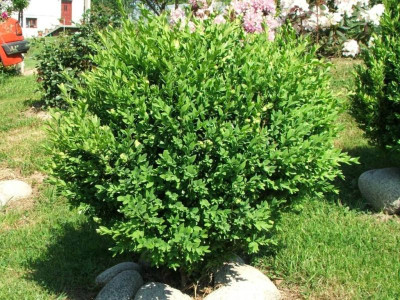
Buxus sempervirens, commonly known as Boxwood, is a timeless evergreen shrub admired for its dense foliage and ability to shape formal hedges or garden borders. Learning the right techniques for Buxus sempervirens propagation and care ensures healthy, long-lived plants that add structure and elegance to any landscape.
One of the easiest ways to start new plants is through plant cuttings. Take semi-hardwood cuttings in late summer or early autumn when the stems are mature but still flexible. Cut about 4–6 inches from healthy shoots, remove the lower leaves, and dip the ends in rooting hormone. Plant the cuttings in a mix of sand and peat moss, keeping the soil lightly moist. Place them in a bright, shaded location until roots form, a process that may take a few months.
Proper care of Buxus sempervirens includes well-draining soil and consistent moisture without waterlogging. Boxwood grows best in partial shade but can tolerate full sun in cooler climates. Mulching around the base helps conserve moisture and keep roots cool. Avoid overhead watering to reduce the risk of fungal diseases like box blight. It pairs beautifully with Paeonia lactiflora as a companion plant. While boxwood provides year-round evergreen structure, peonies offer large, colorful blooms in late spring and early summer. The soft, lush flowers of Paeonia lactiflora create a striking contrast against the neat, clipped foliage of boxwood, making this combination ideal for formal borders and classic garden designs.
Regular pruning is essential to maintain a tidy, compact shape. Light trimming in late spring or early summer encourages dense growth, while heavier pruning is best done in late winter before new shoots appear. Always use clean, sharp tools to prevent damage or disease spread.
With patience and attention to soil, moisture, and pruning, Buxus sempervirens will reward you with lush greenery that enhances your garden year-round. Whether grown as a hedge, topiary, or standalone shrub, Boxwood remains one of the most dependable and elegant choices for both beginner and experienced gardeners.
Yes, Boxwoods are evergreen shrubs. They keep their glossy green leaves all year, making them perfect for hedges and garden borders that stay attractive even in winter.
Boxwoods vary in size depending on the variety. Most grow between 2 and 6 feet tall, though some can reach up to 15 feet if left untrimmed. Dwarf types stay smaller and are great for edging.
Common Boxwood (Buxus sempervirens) typically grows 3 to 6 feet tall when pruned, but in ideal conditions, it can reach over 10 feet. Regular trimming helps control height and shape.
Provide well-drained soil, moderate moisture, and partial shade. Avoid letting the soil dry out completely, but don’t overwater. Light pruning once or twice a year keeps the plant compact and encourages new growth. Mulch around the base to protect the roots and retain moisture.
Space Boxwoods about 1 to 2 feet apart for hedges or closer if you want a dense look. For standalone shrubs, give them 3 feet or more to spread naturally.
Dig a hole twice as wide as the root ball and just as deep. Set the plant at the same level it grew in the pot, fill the hole with soil, and water thoroughly. Add mulch but keep it away from the trunk.
Boxwoods grow slowly—about 3 to 6 inches per year. Their slow growth makes them easy to maintain and ideal for shaping into formal designs.
Last updated on Jun 13, 2026
Species suggested by: Dina Russell, 2020
Plant Profile compiled and written by: Team PlantShare
Contributors: Jeffrey Lazar
 Ask Us!