



 Garden The PlantShare Way ®
~ All About Red Hook Sedge ~

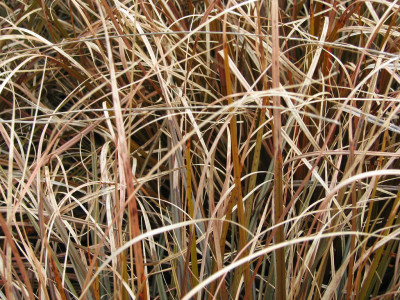
Uncinia rubra, commonly known as Red Hook Sedge, is an eye-catching ornamental grass valued for its coppery-red foliage and soft, arching texture. Native to New Zealand, this plant adds vibrant color and contrast to gardens, containers, and mixed borders throughout the year. Its striking tones make it an excellent choice for gardeners looking to introduce a bold accent without demanding high maintenance.
Proper Uncinia rubra care starts with choosing the right location. This grass thrives in full sun to partial shade, depending on your climate. In cooler areas, full sunlight enhances its rich red hues, while in hotter regions, some afternoon shade prevents the leaves from scorching. Well-draining soil is essential, as the plant dislikes soggy conditions. A loamy or sandy mix enriched with organic matter provides the best foundation for healthy growth.
Watering should be consistent, especially during the first growing season, to help the roots establish firmly. Once settled, Uncinia rubra tolerates short dry periods but benefits from regular moisture. Mulching around the base helps retain soil moisture and keeps the roots cool in summer. Avoid waterlogging, as this can quickly lead to root rot.
Pruning is simple for this plant. In early spring, trim away any damaged or faded leaves to encourage fresh growth. The plant rarely needs feeding, but a light application of balanced fertilizer in spring can boost its color and vigor. It’s also worth dividing the plant every two to three years to maintain its shape and prevent overcrowding.
For companion planting, Carex testacea pairs beautifully with Uncinia rubra. Both grasses share similar preferences for well-drained soil and moderate moisture, while their foliage colors complement each other. Carex testacea’s warm orange-bronze tones blend seamlessly with the deeper red hues of Uncinia rubra, creating layered texture and movement. Together, they work especially well in containers, gravel gardens, and modern landscapes.
With minimal effort, Uncinia rubra delivers year-round appeal through warm color and graceful form, making it a reliable and elegant addition to diverse garden styles.
Yes, Uncinia rubra is an evergreen ornamental grass. This means it keeps its striking red-bronze leaves all year round, adding color and texture to your garden even in winter. In colder areas, some leaf tips may brown slightly, but the plant usually stays attractive with minimal maintenance.
Uncinia rubra typically grows to about 10–12 inches (25–30 cm) tall and spreads to around the same width. Its compact size makes it ideal for small gardens, borders, and mixed containers. The plant’s fine, arching blades create a soft, tufted look that works well as ground cover or an accent plant.
Yes, Uncinia rubra grows beautifully in pots, containers, or even hanging baskets. It pairs nicely with green or silver-leaved plants that highlight its warm red tones. Use well-draining potting soil and water regularly to keep the soil slightly moist but never soggy. In winter, protect container-grown plants from heavy frost by moving them to a sheltered spot.
Uncinia rubra grows best in full sun to partial shade. In cooler climates, full sun helps deepen its red coloring. However, in hot or dry regions, a bit of afternoon shade keeps the foliage from fading or burning. The plant is quite adaptable, so finding the right balance of light will bring out its richest hues and healthiest growth.
Last updated on May 31, 2026
Species suggested by: Dina Russell, 2021
Plant Profile compiled and written by: Team PlantShare
Contributors: Team PlantShare
 Ask Us!

