



 Garden The PlantShare Way ®

~ All About Orange sedge ~


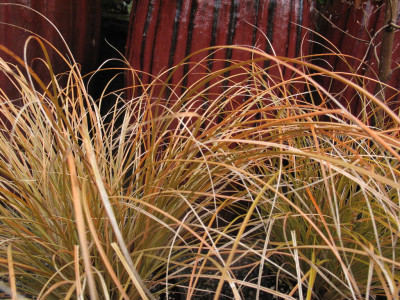
If you want to add a splash of year-round texture and color to your garden, Carex testacea, often called orange New Zealand sedge, offers a low-maintenance solution. Understanding proper plant care keeps this plant healthy and vibrant through every season.
This ornamental sedge grows best in full sun to partial shade, where its bronze-green foliage gradually develops rich orange tones. Plant it in well-drained soil because soggy conditions can lead to root rot. After establishment, it tolerates dry periods and needs only occasional watering. Mulch around the base to conserve moisture and reduce weeds, but keep mulch away from the crown to prevent decay.
When planning Carex testacea care, focus on light seasonal upkeep. In late winter or early spring, trim back worn or damaged leaves to promote fresh growth. Divide clumps every three to four years to maintain vigor and prevent overcrowding. Most gardens do not require fertilizer, but you can apply a balanced, slow-release formula in early spring if growth appears slow.
For a refined planting combination, pair Carex testacea with Hakonechloa macra. Known as Japanese forest grass, Hakonechloa macra features arching, soft green or golden blades that cascade gracefully. While Carex testacea provides upright form and warm orange highlights, Hakonechloa macra introduces a flowing, woodland texture. Together, they create contrast in both color and structure.
This pairing works especially well in modern landscapes, shaded borders, and containers. Place Carex testacea slightly behind or beside Hakonechloa macra to highlight the difference in shape. The orange tones of Carex stand out beautifully against the cooler greens or golds of Hakonechloa.
With consistent plant care and simple maintenance, this adaptable sedge delivers reliable texture and color. Combined with Hakonechloa macra, it elevates your design while remaining practical for beginners and experienced gardeners alike.
Carex testacea prefers soil that drains well but still holds some moisture. Sandy or loamy soil works best. Heavy clay should be improved with compost or grit so water doesn’t sit around the roots.
This sedge grows at a moderate pace. It forms neat clumps and slowly gets wider each year. It won’t take over your garden, but it will gradually fill in the space you give it.
It grows best in full sun, where its leaves develop their rich orange tones. It also does well in partial shade, though the color may be less intense. Deep shade is not ideal because growth becomes weak and thin.
Yes, it is hardy in cooler regions. It can tolerate frost and winter weather, though extreme cold may damage some leaves. In very harsh climates, a light mulch around the base helps protect the roots.
Last updated on May 31, 2026
Species suggested by: Dina Russell, 2020
Plant Profile compiled and written by: Team PlantShare
Contributors: Team PlantShare
 Ask Us!