



 Garden The PlantShare Way ®

~ All About Buckhorn cholla ~


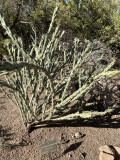
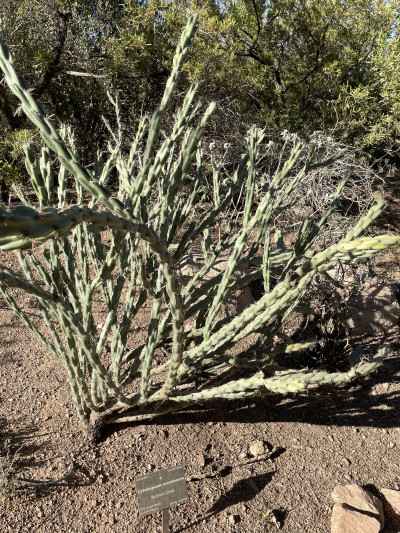
The Cactus cholla (Cylindropuntia acanthocarpa) is one of the most distinctive desert plants, known for its segmented stems covered in sharp spines that easily detach. Found mainly in the southwestern United States and northern Mexico, chollas are both admired and feared for their striking beauty and their ability to cling to anything that brushes past them. For gardeners interested in desert landscapes or drought-tolerant plants, chollas can be both a fascinating challenge and a rewarding addition.
There are many types of Cholla cactus, each with its own unique features. The Teddy Bear Cholla, despite its name, is anything but soft—its dense spines make it look fuzzy from a distance. The Cane Cholla grows taller and develops woody skeletons that remain long after the plant dies. The Chain Fruit Cholla produces long, dangling fruit clusters, adding dramatic texture to desert gardens. Each variety thrives in dry, rocky soil and full sun, reflecting the tough environments where they naturally grow.
When planting a Cactus cholla in a home garden, location is key. Choose a sunny, well-drained spot, and give it plenty of space since its spines can pose a hazard if planted too close to walkways. Chollas are incredibly drought-tolerant and require very little water once established, making them an excellent choice for xeriscaping. Occasional deep watering during extended dry periods helps maintain healthy growth, but overwatering should be avoided.
As a companion plant, Opuntia basilaris, commonly known as beavertail cactus, pairs beautifully with cholla. Unlike the spiny cholla, Opuntia basilaris has broad, flat pads with minimal spines, creating a strong visual contrast. It thrives in the same full-sun, well-drained, low-water conditions and produces vibrant pink to magenta flowers in spring, adding early-season color to desert gardens. Together, these plants create a balanced landscape that combines bold structure with seasonal blooms while remaining highly drought-tolerant.
Pruning is rarely needed, though removing dead segments can improve appearance. Always use thick gloves and long-handled tools to avoid painful encounters with the spines. With minimal care, the types of Cholla cactus can add architectural interest, wildlife value, and an authentic desert atmosphere to any garden.
By understanding the resilience and unique beauty of the Cactus cholla, beginner gardeners can confidently add this striking plant to their landscape.
Cholla is the common name for several species of cactus in the genus Cylindropuntia. They are known for their cylindrical stem segments covered with sharp, barbed spines that detach easily.
Cylindropuntia acanthocarpa, also called Buckhorn cholla, usually grows between 3 and 7 feet tall. In ideal conditions, some plants can reach up to 10 feet.
This cactus prefers hot, dry desert climates but can tolerate brief cold spells. Light frost down to about 20°F (–6°C) is usually survivable, but extended freezes can damage or kill the plant.
It blooms in spring, often between March and May. The flowers range in color from yellow to orange or reddish, adding seasonal brightness to desert landscapes.
Last updated on May 31, 2026
Species suggested by: Catherine Ko, 2021
Plant Profile compiled and written by: Team PlantShare
Contributors: Team PlantShare & Catherine Ko
 Ask Us!