



 Garden The PlantShare Way ®

~ All About Star Jasmine ~


If you’re dreaming of a lush, sweet-smelling garden, growing jasmine (Trachelospermum jasminoides) is a perfect choice. Before you plant jasmine, it’s important to understand the best planting zones and the ideal growing conditions for your climate.
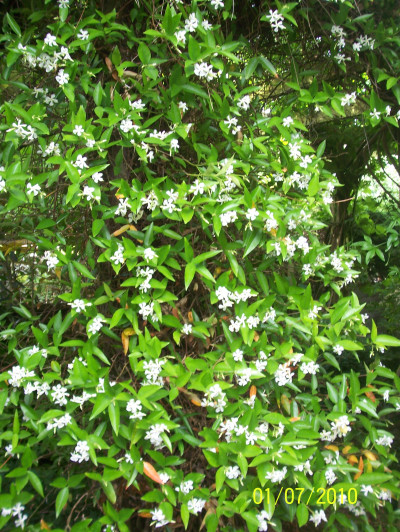
Most jasmine varieties thrive in warm, sunny spots with well-draining soil. The star jasmine blooming season typically lasts from late spring through summer, filling your garden with irresistible fragrance. If you live in cooler areas, knowing star jasmine cold hardiness will help you protect the plant during frosty months. Mulching and covering in winter can make all the difference.
Jasminum polyanthum, often called pink jasmine, is a fast-growing climbing variety prized for its clusters of pink buds that open into intensely fragrant white flowers in late winter or early spring.
Jasmine fragrant blossoms not only look stunning but also attract pollinators, adding life to your garden. Keep an eye on jasmine leaves — healthy leaves should be deep green, while yellowing can signal watering or nutrient issues.
If you encounter star jasmine problems such as leaf drop, scale insects, or poor flowering, address them quickly. Regular pruning after the blooming season helps maintain shape, encourage new growth, and prevent disease.
For those interested in propagating star jasmine, cuttings are the easiest method. Take semi-hardwood cuttings in late summer, plant them in moist, sandy soil, and keep them warm until roots develop. This is an excellent way to expand your collection or share with friends.
Climbing jasmine varieties can transform fences, pergolas, and walls into fragrant green curtains. Provide a sturdy trellis and train the vines for an even, lush display. With the right care, plant jasmine in your garden, and you’ll enjoy a cascade of flowers and scent for years to come.
In short, choosing the right variety, understanding jasmine planting zones, and maintaining proper care will ensure your jasmine thrives and becomes a standout feature in your outdoor space.
Yes. Most jasmine plants are perennials, meaning they live for more than two years and keep coming back each growing season.
Star jasmine usually blooms from late spring through early summer. In warm climates, it can produce flowers for a longer time.
Give jasmine full sun or light shade, water it regularly but avoid soggy soil, and prune after flowering to keep it healthy and shaped. Feed with balanced fertilizer during the growing season.
Star jasmine is generally considered non-toxic to humans and pets. However, it’s still best not to eat it, as it can cause mild stomach upset in some animals.
The best time to plant jasmine is in spring or early fall, when the weather is mild. This gives the plant time to settle in before extreme heat or cold.
Jasmine can grow in partial shade, but it flowers best in full sun. Too much shade can reduce blooming.
Many jasmine varieties are evergreen in warm climates, keeping their leaves year-round. In colder areas, they may lose leaves in winter.
Last updated on May 31, 2026
Species suggested by: Dina Russell, 2022
Plant Profile compiled and written by: Team PlantShare
Contributors: Team PlantShare
 Ask Us!