



 Garden The PlantShare Way ®
~ All About Drumstick primula ~


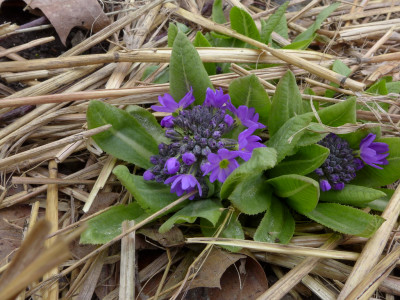
The Drumstick primrose, known botanically as Primula denticulata, is a charming perennial that brightens spring gardens with its globe-shaped clusters of violet, pink, or white blooms. For gardeners new to this plant, learning about Primula denticulata root cuttings and seasonal care ensures healthy growth and vibrant displays year after year.
One reliable way to propagate this species is through root cuttings. In late summer or early fall, carefully lift a mature clump and select firm, healthy roots. Cut them into short sections, about two inches long, and plant them in a tray of moist, well-draining compost. Keep the cuttings cool and lightly shaded until new shoots appear. This method not only produces new plants but also helps rejuvenate older clumps that may be losing vigor.
Equally important for long-term success is proper Primula denticulata pruning. After flowering in late spring, remove spent blooms to encourage the plant to focus energy on root and leaf development rather than seed production. As the season ends, cut back any yellowing or damaged foliage to keep the clump tidy and reduce the risk of disease. Pruning also improves air circulation, which is especially helpful in damp or crowded garden settings.
In terms of growing conditions, Drumstick primroses prefer moist, humus-rich soil and partial shade. They are perfect for borders, woodland gardens, or alongside ponds where the soil stays consistently cool. Mulching in winter protects the roots and preserves moisture for the following spring.
Alchemilla mollis, commonly called lady’s mantle, makes an excellent companion plant for Primula denticulata. Its soft, lobed leaves form a dense, low-growing mat that complements the upright flower spikes of the primrose. Alchemilla mollis also helps retain soil moisture and suppress weeds around the primrose, while its chartreuse flowers bloom slightly later, extending the seasonal interest in your garden. Together, these plants create a harmonious, low-maintenance combination that benefits both growth and aesthetics.
Yes, Primula denticulata is easy for beginners. It only needs moist soil, partial shade, and regular care. Once planted in the right spot, it grows reliably each spring.
Keep the soil moist and rich in organic matter. Plant in partial shade where the roots stay cool. Deadhead spent blooms, cut back old leaves, and mulch in winter to protect the roots.
This primrose blooms in early to mid-spring. Its round flower heads appear just as the season warms, often lasting several weeks before fading.
Yes, it can spread slowly by forming clumps and sometimes by self-seeding. Dividing the clumps every few years keeps the plants healthy and encourages stronger growth.
Last updated on May 31, 2026
Species suggested by: Family Kretschmer, 2022
Plant Profile compiled and written by: Team PlantShare
Contributors: Team PlantShare
 Ask Us!

