


Green-leaved Tanacetum

 Garden The PlantShare Way ®
~ All About Feverfew ~


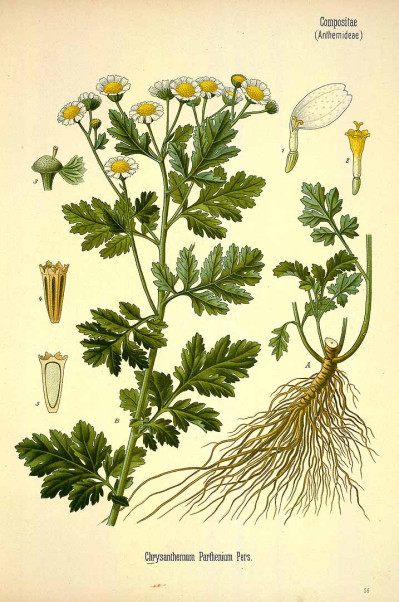
If you’re looking to add a bright, easy-care herb to your garden, growing Feverfew (Tanacetum parthenium) is a rewarding choice. Known for its small, daisy-like flowers and fresh scent, Feverfew adds both charm and function to herb and pollinator gardens. This plant is often valued not just for its beauty but also for its long history in herbal medicine.
Tanacetum parthenium is perennial plant which thrive in full sunlight and well-draining soil. Choose a sunny spot where the plant can receive at least six hours of direct light each day. Feverfew prefers moderate watering—just enough to keep the soil slightly moist, especially during dry spells. Once established, it’s fairly drought-tolerant and requires minimal care.
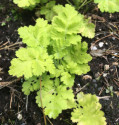
When growing Feverfew, you can start from seeds or young transplants. If planting seeds, sprinkle them on the surface of the soil in early spring and lightly press them down without covering them completely—they need light to germinate. In about two weeks, you’ll see tiny green sprouts ready to grow into compact, bushy plants.
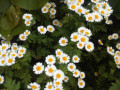
Feverfew blooms from early summer through fall, producing clusters of cheerful white and yellow flowers that attract bees and butterflies. Regularly trimming spent blooms keeps the plant tidy and encourages new flowers to form.
This resilient herb also pairs beautifully with lavender, yarrow, and chamomile, making it a perfect addition to mixed borders or herb gardens. Whether you grow it for its ornamental appeal or its traditional herbal uses, growing Feverfew is a simple and satisfying project for any beginner gardener.
Feverfew is a traditional medicinal herb mainly used to help reduce headaches, especially migraines. Some people also use it to ease fever, joint pain, or minor inflammation. The plant’s leaves and flowers contain natural compounds that may help calm muscle spasms and improve circulation, though it’s best to consult a doctor before using it for health purposes.
Plant Feverfew in a sunny spot with well-draining soil. It can grow from seeds, cuttings, or small transplants. Sow the seeds in spring after the last frost and lightly press them into the soil without covering them too deeply. Water regularly until the plant is established, then only when the top inch of soil feels dry. Deadhead spent blooms to encourage more flowers and prevent it from spreading too quickly.
It’s not usually eaten as food. While some people use the leaves to make herbal tea or capsules, they have a strong, bitter taste and can cause mouth irritation if chewed raw. Always use Feverfew products safely and in moderation, as directed by a qualified herbalist or healthcare provider.
Feverfew grows best in temperate regions with full sun and moderate rainfall. It’s native to southeastern Europe but now found in gardens and wild areas around the world. It thrives in borders, cottage gardens, and even pots, often reseeding itself easily once established.
Last updated on May 31, 2026
Species suggested by: Dina Russell, 2020
Plant Profile compiled and written by: Team PlantShare
Contributors: Sally Sally
 Ask Us!

