



 Garden The PlantShare Way ®

~ All About Ginger ~


Zingiber officinale, commonly known as Ginger, is a versatile tropical plant prized for its aromatic rhizomes and numerous health benefits. Its pungent, spicy flavor makes it a staple in cooking, while traditional medicine uses ginger for digestion, inflammation, and general wellness. Understanding Zingiber officinale growing conditions and proper care ensures a healthy, productive plant in your garden or home.
When growing Zingiber officinale, start with a fresh rhizome that has visible buds. Plant it horizontally in rich, well-draining soil, about 1–2 inches deep. Place it in a location with indirect sunlight and maintain a warm, humid environment. Germination typically occurs in 2–4 weeks, and shoots gradually develop into leafy stems. Space multiple rhizomes several inches apart to allow room for growth and airflow.
Zingiber officinale plant care involves regular watering to keep the soil lightly moist but not soggy. Overwatering can cause root rot, while dry soil slows growth. Fertilize every few weeks during the growing season with a balanced fertilizer to encourage healthy leaves and rhizome development. Mulching can help retain moisture and regulate soil temperature.
Once mature, the plant may produce greenish-yellow flowers with purple accents, though flowering is uncommon in home-grown ginger. Harvest rhizomes when the leaves start to yellow, typically 8–10 months after planting. Young rhizomes have a milder flavor, while mature rhizomes are spicier and more aromatic.
The Zingiber officinale health benefits make this plant especially rewarding to grow. It can reduce nausea, improve digestion, support the immune system, and provide anti-inflammatory effects. Fresh ginger pairs exceptionally well with other home-grown fruits such as Citrus × sinensis (sweet orange) and Citrus × limon (lemon), both of which are rich in vitamin C and antioxidants.
When grown together in a garden or container collection, ginger, oranges, and lemons create a healthy, productive mix. Ginger complements citrus in teas, juices, marinades, and remedies, combining warming properties with refreshing acidity for both culinary and wellness uses.
By following proper growing techniques and plant care, even beginners can cultivate a thriving Ginger plant, enjoying both its culinary versatility and its numerous health-promoting properties.
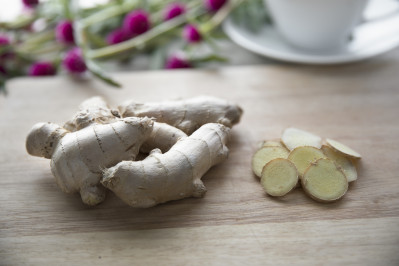
Zingiber officinale is the scientific name for Ginger, a tropical plant grown for its aromatic, flavorful rhizomes (underground stems). Ginger is widely used in cooking, baking, and traditional medicine.
Ginger is native to Southeast Asia, particularly India and China. It has been cultivated for thousands of years for both culinary and medicinal purposes and later spread to Africa, the Caribbean, and other tropical regions.
Ginger is neither a fruit nor a vegetable in the typical sense. It is a rhizome, which is an underground stem used for food and propagation.
Yes, Ginger can be grown from a fresh rhizome. Choose a plump, healthy piece with visible “eyes” or buds. Plant it horizontally in well-draining soil, about 1–2 inches deep, with the buds facing upward. Keep the soil consistently moist and place the pot or garden bed in indirect sunlight. Germination usually occurs in 2–4 weeks.
Ginger is known for its anti-inflammatory and digestive properties. It can reduce nausea, ease motion sickness, support digestion, and may help with mild pain relief. It also contains antioxidants that promote general wellness.
Yes, the part we use and plant is a rhizome, which grows horizontally underground and produces shoots and roots.
Yes, young Ginger leaves are edible. They have a milder flavor than the rhizome and can be used in teas, soups, or as aromatic wraps for cooking.
Yes, Ginger can produce flowers, though this is less common in home-grown plants. The flowers are usually small, tubular, and greenish-yellow with purple accents, appearing on a separate stalk from the leaves.
Last updated on May 31, 2026
Species suggested by: Dina Russell, 2022
Plant Profile compiled and written by: Team PlantShare
Contributors: Team PlantShare
 Ask Us!