



 Garden The PlantShare Way ®

~ All About Common Mallow ~


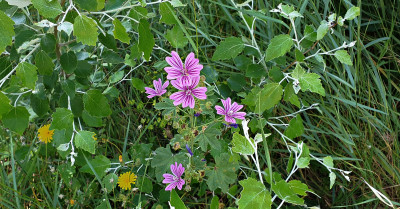
Malva sylvestris, often called Common Mallow, is a hardy and versatile plant that fits well into beginner-friendly gardens. This herbaceous perennial grows naturally in many regions and adapts easily to home landscapes. Gardeners appreciate it for its soft purple flowers, long blooming period, and low-maintenance nature.
Growing Malva sylvestris starts with choosing the right location. This plant prefers full sun but also tolerates light partial shade. More sunlight leads to stronger stems and more abundant flowers. Soil should drain well, although Common Mallow handles poor or rocky soil better than many ornamental plants. Once established, it shows good drought tolerance and rarely needs frequent watering.
Planting is simple and flexible. You can sow seeds directly into the ground in spring or early fall, spacing plants enough to allow airflow. Malva sylvestris develops a deep root system, which helps it survive dry periods and makes it less dependent on constant care. Mulching around the base helps conserve moisture and keeps weeds under control.
Maintenance stays minimal throughout the season. Deadheading spent blooms encourages fresh flowers and keeps the plant looking tidy. While not demanding, Malva sylvestris benefits from occasional trimming if it grows too tall or spreads wider than expected. Fertilizer is rarely needed, as rich soil can cause excess leafy growth at the expense of flowers.
A closely related species, Malva alcea (Hollyhock Mallow), shares many of the same growing requirements but tends to grow taller with a more upright habit and larger, softer pink flowers, making it an excellent choice for the back of borders or meadow-style plantings.
Beyond garden appeal, Malva sylvestris attracts pollinators like bees and butterflies, making it a smart choice for wildlife-friendly gardens. Its long-lasting blooms and natural resilience make it suitable for borders, cottage gardens, and informal planting areas. With simple care and thoughtful placement, this plant delivers beauty and reliability season after season.
Malva is a group of flowering plants, often called mallow. They are known for colorful blooms, rounded leaves, and both ornamental and herbal uses.
Plant mallow in full sun with well-draining soil. Water regularly during dry weather but avoid soggy soil. Remove spent flowers to encourage new blooms.
Sow mallow seeds in spring after the danger of frost has passed, or start them indoors 6–8 weeks earlier.
Yes. Its flowers and young leaves can be eaten raw or cooked. They are often used in salads, teas, or as a vegetable.
Generally yes. It is not known to be toxic to most pets or livestock, but animals should only eat it in moderation to avoid digestive upset.
Last updated on Nov 16, 2026
Species suggested by: Dina Russell, 2022
Plant Profile compiled and written by: Team PlantShare
Contributors: Team PlantShare
 Ask Us!