



 Garden The PlantShare Way ®

~ All About Hyssop ~


Hyssop is an attractive herb that blends beauty with practical value in the garden. Known for its upright stems and clusters of purple-blue flowers, it adds color while attracting bees, butterflies, and other pollinators. Learning the right Hyssop growing conditions ensures this plant thrives with minimal effort.
This herb prefers full sun and well-drained soil. Sandy or rocky soils work especially well because they prevent excess moisture around the roots. Although Hyssop tolerates poor soil, adding compost at planting time supports stronger growth. Once established, it handles drought well and needs only occasional watering during extended dry periods. These qualities make it a dependable choice for herb gardens, borders, and containers.
Hyssop offers impressive versatility. Common Hyssop plant uses include flavoring teas, soups, and liqueurs, thanks to its slightly bitter, mint-like taste. In traditional herbal practices, it has been used to support respiratory and digestive health, though modern use should remain cautious. Beyond culinary and historical uses, Hyssop adds fragrance, structure, and pollinator support to the landscape.
For a productive and visually balanced herb garden, Thymus vulgaris, or common thyme, makes an excellent companion plant for Hyssop. Thyme grows low to the ground and spreads gently, helping suppress weeds while allowing good airflow around Hyssop’s upright stems. Both plants prefer full sun, well-drained soil, and minimal watering, which makes them easy to care for together. Thyme’s soft pink or pale purple flowers also extend the blooming season and attract additional pollinators.
Caring for Hyssop remains simple. Prune woody stems in early spring and remove spent flowers to encourage fresh growth. Dividing mature plants every few years keeps them vigorous and well-shaped.
With proper Hyssop growing conditions and compatible companions like thyme, this herb becomes a long-lasting garden asset. Its blend of ornamental appeal, culinary usefulness, and ecological value makes it rewarding for both new and experienced gardeners.
Hyssop has been used for flavoring teas, soups, and herbal drinks. In traditional medicine, it was valued for easing coughs and digestion, though it should be used carefully. In gardens, it is also planted to attract pollinators and deter some pests.
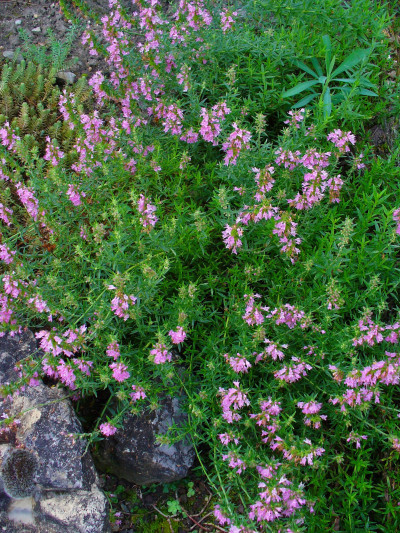
Hyssop is a small shrub with upright stems and narrow, dark green leaves. It produces spikes of tiny blue, purple, pink, or white flowers that cluster at the tops of the stems.
Hyssop grows naturally in the Mediterranean region and parts of Asia. In gardens, it thrives in sunny spots with well-drained soil and can adapt to rocky or sandy ground.
Water young plants regularly until they are established. After that, Hyssop only needs watering during long dry spells because it is drought-tolerant. Too much water can damage the roots, so let the soil dry slightly between waterings.
Last updated on Nov 10, 2026
Species suggested by: Catherine Ko, 2022
Plant Profile compiled and written by: Team PlantShare
Contributors: Team PlantShare
 Ask Us!