



 Garden The PlantShare Way ®

~ All About Cat's Claw Vine ~


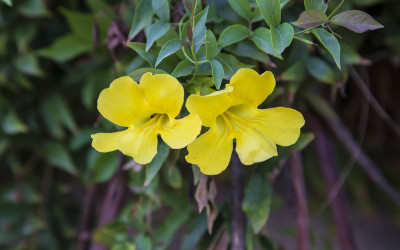
The cat’s claw plant (Dolichandra unguis-cati) is a vigorous climbing vine valued for both ornamental appeal and traditional herbal applications. In gardens, it is often grown for its lush foliage and ability to quickly cover fences, trellises, or walls. Understanding cat claw vine care ensures healthy growth while preventing it from becoming invasive.
For best results, plant Dolichandra unguis-cati in full sun to partial shade with well-draining soil. Water regularly during its first growing season to help establish deep roots, then reduce watering as it becomes drought-tolerant. Prune yearly to control size and guide its climbing habit. Without maintenance, the vine can overtake nearby plants or structures.
In landscape design, Tecoma stans (commonly called Yellow Bells) pairs well with Cat’s Claw Vine when space and structure are carefully planned. Tecoma stans is a drought-tolerant shrub or small tree that thrives in full sun and produces bright yellow, trumpet-shaped flowers that attract bees, butterflies, and hummingbirds. When planted nearby, it provides a sturdy visual anchor and seasonal color that contrasts with the vine’s spreading growth. Care should be taken to prevent Dolichandra unguis-cati from climbing directly onto Tecoma stans, as the vine’s aggressive nature can overwhelm woody plants if left unchecked.
Beyond its ornamental value, there are several kinds of uses in traditional medicine. The Dolichandra unguis-cati root has been used for centuries in South American herbal practices, often in teas, tinctures, or capsules. It is believed to have anti-inflammatory and immune-supporting properties, though scientific studies are still ongoing.
However, caution is essential. Some species contain compounds that can be harmful, leading to concerns about cat claw poison in both humans and animals. While not generally dangerous when handled, ingestion of the plant without proper preparation can cause adverse effects. Pets, especially cats and dogs, should be kept from chewing on the leaves or stems.
With thoughtful Dolichandra unguis-cati plant care, this plant can be an attractive and functional addition to a garden. Regular pruning, controlled placement, and an awareness of its potential risks allow you to enjoy its beauty without issues. Whether you grow it for decoration, erosion control, or an interest in traditional herbal practices, understanding its care and safety ensures a rewarding gardening experience.
Last updated on Nov 16, 2026
Species suggested by: Catherine Ko, 2023
Plant Profile compiled and written by: Team PlantShare
Contributors: Team PlantShare
 Ask Us!