




 Garden The PlantShare Way ®
~ All About Mexican petunia ~


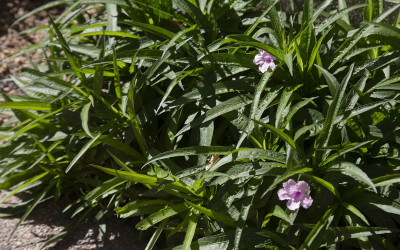
The Mexican petunia (Ruellia simplex) is a striking Mexican purple flower known for its long blooming season and ability to thrive in a variety of conditions. Before planting, it’s important to understand both its beauty and its challenges, as some regions consider invasive due to its aggressive spreading habit.
When choosing a location, check your Mexican petunia zone. It grows best in USDA zones 8–11 but can survive in slightly cooler areas with proper protection. The bloom time typically lasts from late spring through fall, providing months of vibrant color.
Proper plant care begins with selecting a sunny to partly shaded spot with well-draining soil. For best results, follow these Mexican petunia planting instructions: space plants 12–18 inches apart, water regularly until established, and apply mulch to conserve moisture. Once mature, they tolerate heat, drought, and even occasional flooding.
Understanding cold hardiness is important for northern gardeners. While the plant can handle brief dips into the low 20s°F (-6°C), frost may damage its leaves. Plant care in winter includes mulching heavily around the base or moving container-grown plants indoors in colder climates.
When growing Mexican petunias, pruning back old stems in late winter encourages fresh growth in spring. Fertilize lightly during the growing season to boost flowering.
As a companion plant, Liriope muscari works especially well alongside Mexican petunias. Its low-growing, grass-like foliage creates a neat border that helps define planting areas and visually balances the taller, upright stems of Mexican petunia. Liriope muscari tolerates similar light conditions, handles heat well, and helps suppress weeds, making it a practical and attractive partner in mixed beds and landscape borders.
Here are some quick Mexican petunia facts:
- They attract butterflies and hummingbirds.
- They can spread by both seeds and underground rhizomes.
- Dwarf varieties are available for smaller spaces or containers.
With mindful placement and good care, these vibrant flowers can be a long-lasting highlight in your garden. By managing their growth and following proper plant care, you can enjoy their beauty without letting them take over your landscape.
Last updated on May 31, 2026
Species suggested by: Catherine Ko, 2023
Plant Profile compiled and written by: Team PlantShare
Contributors: Team PlantShare
 Ask Us!

