




 Garden The PlantShare Way ®

~ All About Hairawn Muhly ~


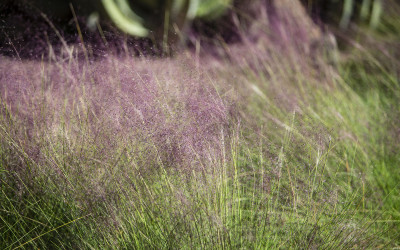
Pink Muhly Grass (Muhlenbergia capillaris) is a striking ornamental grass known for its airy pink flower plumes in late summer and fall. Its soft, cloud-like blooms create a stunning effect in garden beds, borders, and mass plantings.
The average Pink Muhly Grass size is 2–3 feet tall and wide, making it suitable for both small and large landscapes. It thrives in USDA hardiness zone 6–10, withstanding heat, drought, and poor soil once established.
Proper Pink Muhly Grass care starts with planting in full sun and well-draining soil. It adapts to sandy or rocky conditions and tolerates low water once mature. Overwatering should be avoided, as it can lead to root problems. For coastal gardeners, Gulf Muhly grass care is similar, with added tolerance to salt spray and sandy soils.
When it comes to plant maintenance, the plant is very low effort. In late winter, perform pruning by cutting back old foliage to about 4–6 inches above the ground. This encourages fresh, healthy growth in spring.
Pink Muhly Grass in winter holds its shape well, with faded plumes adding texture to dormant landscapes. In colder zones, mulch around the base to protect roots from extreme cold.
As a companion plant, Echinacea purpurea pairs beautifully with Pink Muhly Grass. The bold, upright purple coneflowers provide a strong contrast to the soft, flowing texture of the grass. Both plants thrive in full sun, tolerate drought once established, and prefer well-draining soil, making them ideal partners in low-maintenance and pollinator-friendly gardens. Echinacea also attracts bees and butterflies, adding ecological value and seasonal interest alongside the airy pink plumes.
With minimal care, pink muhly provides spectacular seasonal color and movement in the garden. By following simple plant care and pruning guidelines, you can enjoy its beauty for many years while keeping maintenance easy and stress-free.
Pink Muhly Grass grows at a moderate rate and usually reaches its mature size within two to three years after planting.
It typically grows 2–3 feet tall, with flower plumes adding another foot in height during the blooming season.
It can survive in partial shade, but it blooms best and develops stronger color in full sun. Too much shade can reduce flowering.
Yes. Fall planting works well in mild climates, as it gives the roots time to establish before the next growing season. In colder areas, spring planting is safer.
Last updated on Nov 16, 2026
Species suggested by: Catherine Ko, 2023
Plant Profile compiled and written by: Team PlantShare
Contributors: Team PlantShare
 Ask Us!