



 Garden The PlantShare Way ®

~ All About Purple coneflower ~


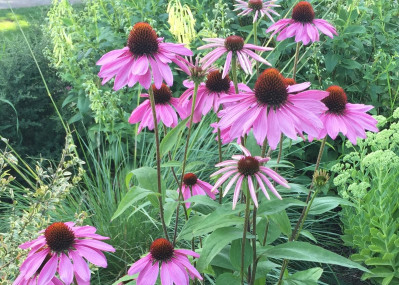
If you want a reliable garden perennial plant that delivers color with very little effort, start with the classic coneflower. This hardy Coneflower (Echinacea purpurea) thrives in a wide range of climates and rewards even new gardeners with strong growth and steady blooms. To succeed with growing Coneflower, choose a sunny location. Proper sun requirements include at least six hours of direct sunlight each day, which helps the plant produce sturdy stems and bright petals.
You’ll see the best results when planting in loose, well-draining soil. Coneflowers handle heat, drought, and cold, especially when grown within their ideal hardiness zone, typically Zones 3–9. Once established, their roots anchor deeply, making them reliable performers year after year.
Understanding Coneflowers blooming time helps you plan your garden more effectively. Most varieties bloom from early summer into fall, bringing long-lasting color and feeding pollinators for months. To keep your plants looking fresh, practice simple pruning. Remove faded flowers to encourage new buds, or leave some seed heads in late summer for birds.
If you need to move a plant, follow the right steps for transplanting. Lift the clump with care, keep as much of the root system intact as possible, and replant immediately. This helps the plant settle quickly in its new location. For larger, older clumps, consider dividing Coneflowers in early spring or fall. Dividing revitalizes growth and gives you new plants to use in other areas of the garden.
Gardeners who want to expand their patch can try propagating Echinacea purpurea from divisions or seeds. Both methods work well, though division gives the fastest results.
With the right sunlight, moderate care, and occasional shaping, Coneflowers become long-term anchors in any sunny landscape. Their durability, color, and wildlife value make them an excellent starting point for gardeners of any level.
Plant them in sunny, well-drained soil. Water regularly during the first season, then only during long dry spells. Give them space so air can move around the plants.
Most Coneflowers grow 2–4 feet tall, though some compact or taller varieties fall outside that range.
Sow seeds outdoors in late fall or early spring. Cool weather helps them sprout more evenly.
Yes, if you want more blooms. Remove faded flowers to encourage new buds. Leave a few seed heads for birds if you like.
Cut them back in late fall after the stems dry out, or wait until early spring if you want to support winter wildlife.
People use it mainly for herbal teas, extracts, and supplement products. Only use processed forms made for consumption, not raw garden material.
They bloom from early summer into fall, often giving color for two to three months or more.
Divide mature clumps or start new plants from seeds. Division gives faster results, while seeds offer more variety.
Good companions include Black-eyed Susan, ornamental grasses, bee balm, yarrow, and salvia. These plants enjoy similar conditions.
Choose a sunny spot with soil that drains well. Beds, borders, pollinator gardens, and naturalized areas all work.
Move them in early spring or fall when temperatures are cooler and soil stays moist.
Yes. They perform best with at least six hours of direct sunlight each day.
Remove spent flowers during summer, then trim the stems after the growing season ends.
Divide in early spring or fall when the plant is not actively blooming.
Prune in late fall or early spring by cutting back dried stems to make room for fresh growth.
Last updated on Jun 25, 2026
Species suggested by: Dina Russell, 2022
Plant Profile compiled and written by: Team PlantShare
Contributors: Team PlantShare
 Ask Us!