



 Garden The PlantShare Way ®
~ All About Common sage ~


Salvia officinalis, commonly known as garden sage, is a classic herb that combines ornamental appeal with culinary and practical value. For beginner gardeners, this plant offers dependable growth, attractive foliage, and minimal care requirements, which makes it an excellent addition to both herb gardens and mixed borders.
Salvia officinalis grows best in full sun and well-drained soil. It prefers slightly dry conditions and does not tolerate waterlogged roots, so sandy or loamy soil works especially well. Once established, sage shows strong drought tolerance and needs only occasional watering during extended dry periods. These traits make it ideal for low-maintenance gardens and warm climates.
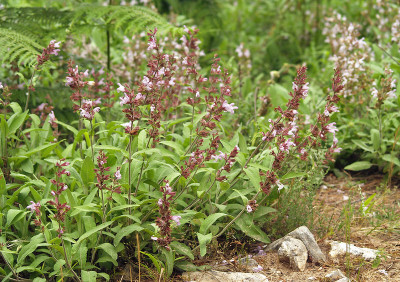
The plant forms a compact, woody shrub with soft gray-green leaves that remain attractive throughout the growing season. In late spring to early summer, Salvia officinalis produces spikes of lavender-blue flowers that attract bees and other pollinators. Light pruning after flowering helps maintain a tidy shape and encourages fresh leaf growth. Replacing older plants every few years keeps the patch productive and vigorous.
Beyond its garden performance, Salvia officinalis is widely valued in the kitchen. Its aromatic leaves add depth to roasted vegetables, meats, and sauces. Gardeners should harvest lightly and avoid cutting into woody stems, which helps the plant recover quickly and continue producing flavorful foliage.
For companion planting, Phaseolus vulgaris, commonly known as common bean, works well alongside sage. Beans enrich the soil by fixing nitrogen, which supports healthy leaf growth in nearby herbs. Their upright growth habit also allows good air circulation around sage plants. Both crops thrive in sunny locations, making them easy to grow together in vegetable or mixed-use gardens.
With proper placement, thoughtful pruning, and compatible companions like beans, Salvia officinalis delivers lasting beauty and usefulness. Its blend of resilience, flavor, and pollinator support makes it a smart and rewarding choice for gardeners at any experience level.
Salvia grows in many parts of the world, from the Mediterranean to the Americas. In gardens, it does best in sunny spots with well-drained soil.
Yes, culinary Sage is edible and safe to use in cooking. Its leaves add flavor to meats, soups, sauces, and stuffing.
Sage originally comes from the Mediterranean region. Over time, it has spread worldwide and is now grown in herb gardens everywhere.
Sage is used as a cooking herb, a traditional medicine, and an ornamental plant. It adds strong flavor to food and also attracts pollinators when it blooms.
Most Sage plants reach 1 to 2 feet tall. Some ornamental Salvias can grow taller, depending on the variety.
Sage usually blooms in late spring to early summer. Some varieties may bloom again later if trimmed back after flowering.
Sage plants form small shrubs that can spread 2 to 3 feet wide. Regular pruning helps keep them compact and healthy.
Last updated on May 31, 2026
Species suggested by: Christina Cyr, 2023
Plant Profile compiled and written by: Team PlantShare
Contributors: Team PlantShare & Christina Cyr
 Ask Us!

