



 Garden The PlantShare Way ®

~ All About Sweet Pea ~


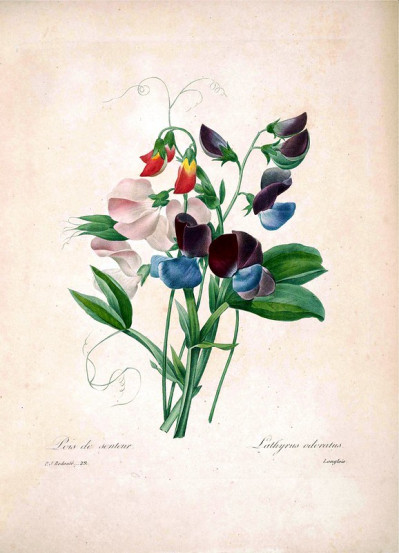
The sweet pea (Lathyrus odoratus) is a classic garden favorite, admired for its vibrant, fragrant blooms and climbing habit. This annual flower adds charm to fences, trellises, and containers, making it a versatile choice for any garden. With proper care, even beginners can enjoy a long season of colorful blossoms.
To grow Lathyrus odoratus successfully, start with fertile, well-draining soil and a sunny location. These flowers thrive with at least six hours of direct sunlight each day. Enriching the soil with compost or organic matter encourages strong growth and abundant flowering. For best results, sow seeds directly in the garden in early spring after the last frost, or start them indoors in cooler regions.
Support is essential for climbing varieties. Install trellises, netting, or stakes to allow the vines to climb and spread naturally. Regular pinching of the growing tips promotes bushier plants and more flowers. Deadheading spent blooms encourages the plant to continue producing flowers throughout the season.
Water consistently to keep the soil evenly moist, especially during dry spells, but avoid waterlogging, which can harm the roots. Fertilize lightly every few weeks with a balanced liquid fertilizer to support continuous bloom.
The sweet pea is not only beautiful but also attracts pollinators like bees and butterflies, enhancing the health of your garden ecosystem. Its delightful fragrance makes it perfect for cutting gardens and floral arrangements.
With simple attention to sunlight, soil, and support, the sweet pea can reward gardeners with vibrant color and sweet scent from spring into early summer. Its elegance and ease of care make it a staple for both beginner and experienced gardeners alike.
No, common garden sweet peas (Lathyrus odoratus) are not edible. Their seeds and pods contain toxins that can cause illness if eaten. Only certain species, like edible peas (Pisum sativum), are safe to eat.
Yes, sweet peas are mildly poisonous to humans and pets. Ingesting the seeds or pods can lead to nausea, vomiting, or other symptoms, so keep them out of reach of children and animals.
Yes, sweet peas are usually grown as annuals. They complete their life cycle in one growing season, from seed to flower to seed, then die back in winter.
Allow the pods to fully ripen and turn brown on the plant. Harvest them carefully and remove the seeds. Store the seeds in a cool, dry place in a paper envelope or airtight container until the next planting season.
Last updated on Nov 10, 2026
Species suggested by: RhondaDT, 2024
Plant Profile compiled and written by: Team PlantShare
Contributors: Team PlantShare & RhondaDT
 Ask Us!