



 Garden The PlantShare Way ®
~ All About Tomatillo ~


Physalis philadelphica, often called tomatillo, is a warm-season vegetable valued for its tart flavor and reliable growth. Understanding how it grows helps beginners enjoy better harvests and healthier plants from the start.
This plant belongs to the nightshade family and grows as a bushy annual in most regions. It thrives in full sun and needs at least 6-8 hours of direct light each day. Warm temperatures support steady growth, so gardeners should wait until all risk of frost has passed before planting. Soil plays a major role in success. Loose, well-drained soil rich in organic matter allows strong root development and prevents water stress.
When growing Physalis philadelphica, spacing matters more than many expect. Plants spread quickly and can reach three to four feet wide, so generous spacing improves airflow and reduces disease pressure. Regular watering keeps growth consistent, but the soil should never stay waterlogged. Mulching helps hold moisture and keeps weeds under control.
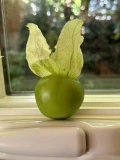
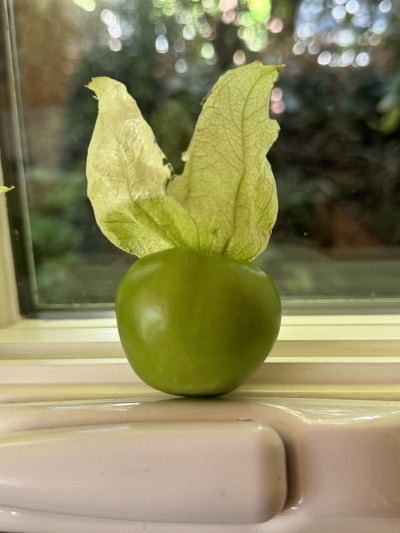
One unique feature of Physalis philadelphica is its papery husk, which forms around the fruit as it develops. Fruits are ready to harvest when they fill the husk and begin to split or fall naturally from the plant. Harvesting at the right stage ensures the best balance of acidity and flavor, especially for fresh salsas and sauces.
Pollination is another key detail. While the plant produces many flowers, it sets fruit more reliably when grown near another tomatillo plant. Planting two or more improves yields and leads to more uniform fruit development.
Related species include Physalis hederifolia, which produces smaller, mildly flavored fruits, and Physalis alkekengi (Chinese lantern), a perennial grown mainly for its bright ornamental husks rather than for eating.
For beginner gardeners, Physalis philadelphica offers fast growth, visual interest, and a practical harvest.
A tomatillo (Physalis philadelphica) looks like a small green tomato wrapped in a thin, papery husk. The husk starts out green and dries to a light brown as the fruit grows. Inside, the tomatillo is firm, smooth, and usually bright green, sometimes turning yellow or purple when fully ripe.
Yes, tomatillos are related to tomatoes. Both belong to the nightshade family, but they are different plants. Tomatillos are Physalis philadelphica, while tomatoes are in the Solanum group. They have a similar growth habit, but tomatillos have husks and a more tangy taste.
Tomatillos grow best in warm regions with plenty of sunlight. They are native to Mexico and Central America but are now grown in many temperate and warm climates. You can grow them in home gardens, raised beds, or large containers as long as they get enough sun and heat.
To grow Physalis philadelphica, plant seeds or seedlings after the last frost. Choose a sunny spot with well-drained soil. Space plants well, since they spread wide as they grow. Water regularly, but do not let the soil stay soggy. For good fruit production, grow at least two plants so they can pollinate each other.
Last updated on May 31, 2026
Species suggested by: Dina Russell, 2026
Plant Profile compiled and written by: Team PlantShare
Contributors: Team PlantShare
 Ask Us!

