



 Garden The PlantShare Way ®

~ All About Airplane Plant ~

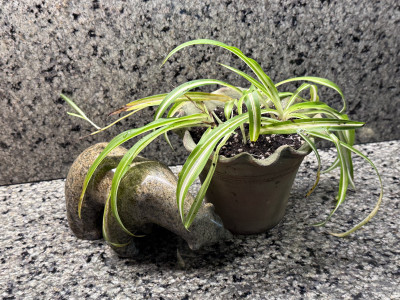
Chlorophytum comosum, commonly known as the spider plant, ranks among the easiest houseplants for beginners. Its arching green leaves, often striped with white, create a fresh and lively look in homes and offices. Gardeners value this plant for its adaptability, fast growth, and simple maintenance routine.
Successful Chlorophytum comosum care begins with proper light. This plant thrives in bright, indirect light but also tolerates moderate shade. Avoid harsh, direct sun, which can scorch the leaves and fade their color. Place it near a window with filtered light for best results.
Watering requires balance. Allow the top inch of soil to dry before watering again. Overwatering can cause root rot, while very dry soil may lead to brown leaf tips. Use a well-draining potting mix and choose a container with drainage holes to keep roots healthy. During active growth in spring and summer, feed lightly once a month with a balanced houseplant fertilizer.
One of the most attractive traits of Chlorophytum comosum is its ability to produce small plantlets, often called “spiderettes.” These baby plants grow on long stems and can be rooted easily in soil or water. Propagation allows gardeners to expand their collection or share plants with others.
As a companion plant, Dracaena trifasciata, commonly known as the snake plant, pairs exceptionally well with spider plants. Both species share similar light and watering preferences, making them easy to care for together. While the spider plant adds soft, arching movement, Dracaena trifasciata contributes upright, structured foliage, creating visual contrast. The snake plant also tolerates lower light and irregular watering, which complements the spider plant’s adaptable nature and makes the combination ideal for low-maintenance indoor displays.
Temperature flexibility makes Chlorophytum comosum suitable for most indoor spaces. It prefers average room temperatures and adapts well to normal household humidity. Trim brown tips occasionally to maintain a clean appearance and encourage fresh growth.
With consistent light, moderate watering, and basic feeding, Chlorophytum comosum care remains simple and reliable. When grown alongside compatible companions like Dracaena trifasciata, this resilient plant helps create a balanced, attractive indoor environment that thrives year-round.
Chlorophytum comosum, also called spider plant, can help improve indoor air in small ways. It absorbs some common airborne compounds through its leaves. However, it should not replace proper ventilation or air filters.
Spider plants are considered non-toxic to humans and most pets. Cats and dogs can usually be around them safely. Still, it’s best to prevent pets from chewing the leaves to avoid mild stomach upset.
Yes, Chlorophytum comosum works well in bedrooms. It tolerates indoor light levels and does not require intense sun. Its easy care and fresh green look make it a good choice for sleeping spaces.
Spider plants can grow well outdoors in warm climates with shade or partial sun. In cooler regions, they grow better indoors because they do not tolerate frost. Whether inside or outside, they need bright, indirect light and well-draining soil.
Last updated on May 31, 2026
Species suggested by: Dina Russell, 2026
Plant Profile compiled and written by: Team PlantShare
Contributors: Team PlantShare
 Ask Us!