



 Garden The PlantShare Way ®
~ All About Renard’s cranesbill ~


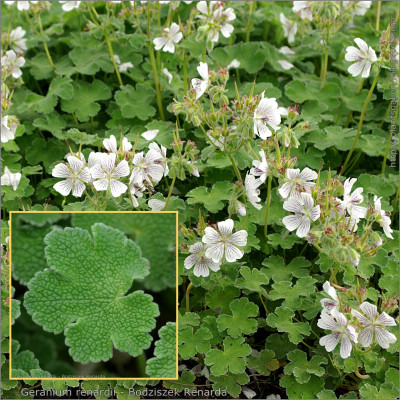
If you want a hardy, low-maintenance perennial that looks great from spring through fall, Geranium renardii is an excellent choice. This compact, ground-hugging plant stands out with soft, silvery-green leaves and delicate lavender flowers marked with darker purple veins. It works beautifully in rock gardens, borders, and sunny slopes where other plants may struggle.
Geranium renardii grows best in full sun to light shade and prefers well-draining soil. It tolerates dry conditions once established, making it a smart option for gardeners who want a drought-resistant plant without sacrificing beauty. When planting, space each one about 12 to 18 inches apart so the foliage can spread and create a neat, dense mat. Water regularly during the first growing season to help roots develop, then reduce watering as the plant settles in.
Bloom time usually begins in late spring and can extend into early summer. To encourage a second, lighter bloom, trim back the faded flowers and leggy stems after the first wave finishes. This simple step keeps the plant looking fresh and compact. Unlike more aggressive ground covers, Geranium renardii maintains a tidy habit and will not take over nearby plants, which makes it ideal for mixed beds.
Pests and diseases rarely bother this plant. The aromatic leaves naturally discourage many common garden insects, and good air circulation helps prevent mildew. In colder regions, the foliage may die back in winter, but the roots stay strong and send up healthy new growth in spring.
For an easy, reliable perennial that adds soft color, texture, and structure to your garden, Geranium renardii is a dependable and rewarding choice for beginners and experienced gardeners alike.
Yes, Geranium renardii is a true perennial. Once planted in the right spot, it returns every spring. In cold weather, the top growth may die back, but the roots stay alive and send up new shoots when temperatures warm again.
Plant it in spring or early fall. These seasons give the roots time to settle in before extreme heat or frost arrives. Avoid planting during the hottest part of summer if possible.
Bloom time usually lasts about 4 to 6 weeks, starting in late spring and going into early summer. If you trim off spent flowers, you may get a lighter second bloom later in the season.
Last updated on May 31, 2026
Species suggested by: Dina Russell, 2020
Plant Profile compiled and written by: Team PlantShare
Contributors: Team PlantShare
 Ask Us!