



 Garden The PlantShare Way ®
~ All About Camellia ~


Gardeners admire camellias for their glossy evergreen leaves and elegant flowers that brighten shaded gardens. Learning the basics of Camellia japonica care helps beginners grow this classic ornamental shrub with confidence.
The first step involves understanding proper growing conditions. This plant thrives in partial shade and prefers rich, acidic, well-drained soil. Consistent moisture supports healthy roots, but avoid waterlogged soil because camellias dislike soggy conditions. A layer of mulch helps retain moisture and protects the shallow root system.
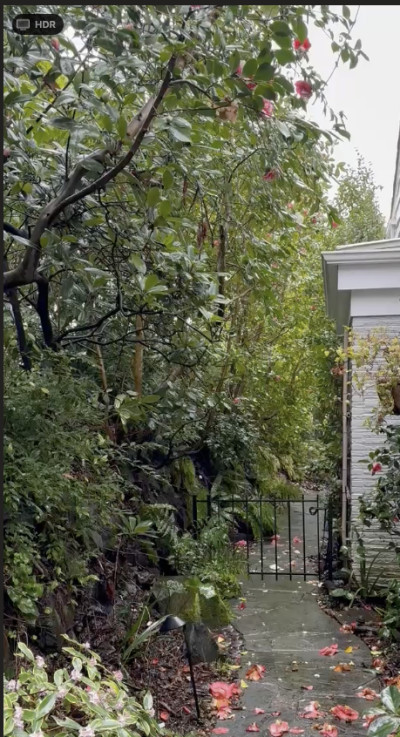
Many gardeners grow this shrub for its impressive flowers during their bloom time. Most varieties bloom from late winter through early spring, producing rose-like flowers in shades of white, pink, and deep red. These blooms create a striking focal point in woodland gardens and shaded borders.
Climate also plays an important role. The ideal hardiness zone for Camellia japonica ranges from USDA zones 7 - 9 with some cultivars hardy in zone 6. Gardeners in cooler areas should plant camellias in sheltered locations, such as near fences or walls, to protect buds from frost and strong winter winds.
Proper pruning helps maintain a healthy shape. Gardeners should prune Camellia japonica right after flowering ends. Remove dead, weak or crowded branches and lightly shape the shrub to improve airflow. Avoid heavy pruning because the plant forms next season’s buds soon after blooming.
Gardeners can also experiment with propagation if they want to grow new plants. Semi-hardwood cuttings taken in summer root successfully when placed in moist, well-draining soil and kept in a warm, humid environment. Grafting is also an option.
For a balanced landscape design, combine camellias with Heuchera hybrids. Their colorful foliage spreads beneath the shrub and complements the elegant flowers while thriving in the same partially shaded growing conditions.
Camellia japonica grows best in partial shade. It likes gentle morning sunlight but should be protected from strong afternoon sun. Too much direct sun can damage the leaves and flowers. A place with bright light and some shade during the hottest part of the day is ideal.
Water the plant when the top layer of soil starts to feel dry. Camellias prefer evenly moist soil, but they do not like standing water. During hot or dry weather, watering may be needed more often. In cooler months, reduce watering but do not let the soil dry out completely.
Camellias grow best in well-draining, slightly acidic soil. Soil rich in organic matter works very well. Avoid heavy clay that holds too much water. Good drainage is important because camellia roots can rot if the soil stays too wet.
Protect camellias from very cold winds and frost. Add a layer of mulch around the base to help keep the roots warm. Water the plant lightly if the soil becomes dry, even in winter. If the plant is in a pot, move it to a sheltered place during very cold weather.
Last updated on Jul 29, 2026
Species suggested by: Dina Russell, 2026
Plant Profile compiled and written by: Team PlantShare
Contributors: Team PlantShare
 Ask Us!

