



 Garden The PlantShare Way ®
~ All About European Pear ~


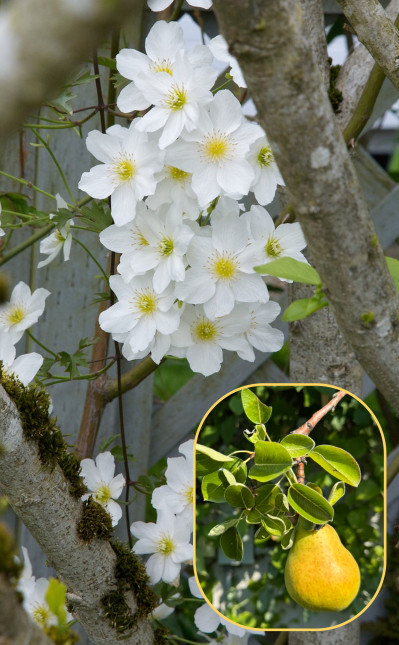
Pyrus communis, commonly known as the European Pear, is a productive deciduous fruit tree that can make an excellent addition to a home orchard. With proper care, it produces fragrant, white spring flowers followed by sweet, juicy pears. Understanding the needs of Pyrus communis helps beginners establish a healthy tree and enjoy reliable harvests.
Choose a planting site with full sun and good air circulation. Pyrus communis grows best in fertile, well-draining soil that retains some moisture without becoming waterlogged. Avoid low areas where water collects after heavy rain, as constantly wet roots can lead to serious problems.
Water young trees regularly during their first few growing seasons. Once established, European Pear trees become more tolerant of short dry periods, although consistent moisture supports better fruit development. Apply mulch around the root zone to conserve moisture, but keep it several inches away from the trunk.
Pruning plays an important role in maintaining a strong structure. Remove dead, damaged, or crossing branches during the dormant season, and maintain an open canopy that allows sunlight and air to reach the interior. Avoid excessive pruning because it can encourage vigorous leafy growth at the expense of fruit production. Pear trees do well espaliered (i.e. pruned as a vertical, spreading tree) against the wall of a building or wall.
Many Pyrus communis varieties require pollen from another compatible pear variety to produce a good crop. Planting two compatible cultivars nearby can improve pollination and increase fruit yields. Bees and other pollinating insects typically carry pollen between the flowers during spring.
European Pears usually ripen from late summer into fall, depending on the variety and growing conditions. Unlike some fruits, pears often finish ripening after harvest. Pick them when they have reached mature size and then allow them to soften indoors.
As a companion plant, Marigolds (Tagetes erecta) can be planted around Pyrus communis to add seasonal color and diversity to the orchard floor. They grow well in full sun and prefer well-draining soil, conditions that also suit European Pear trees. Their compact growth makes them suitable for planting around the outer edge of the tree's root zone, where they can add low-growing flowers without competing heavily with the developing canopy. Leave enough space around the trunk to keep the base of the tree dry and well ventilated. Marigolds also attract pollinating insects, which can contribute to activity around the pear tree during flowering periods.
With adequate sunlight, regular watering, thoughtful pruning, and suitable pollination, Pyrus communis can become a productive and attractive feature of a backyard orchard. Its spring blossoms, summer foliage, and flavorful fruit provide several seasons of interest while rewarding gardeners with a homegrown harvest.
Pyrus communis, or European Pear, is valued for its sweet, juicy fruit and attractive, fragrant spring blossoms. It can provide a bountiful home harvest and supports pollinators when it flowers. Mature trees can also add shade and seasonal interest to a garden.
Many European Pear varieties produce more fruit when another compatible pear variety grows nearby. Some cultivars can produce a small crop on their own, but cross-pollination usually improves fruit set. Choose varieties that bloom at the same time and are known to pollinate each other.
Give the tree full sun, consistent moisture, and well-draining soil. Prune during the dormant season to maintain an open canopy and remove weak or crossing branches. Avoid excessive nitrogen fertilizer because it can encourage leaves and shoots instead of fruit. If possible, grow a compatible second pear variety nearby to improve pollination. Watch for pear rust caused by Gymnosporangium sabinae and pests such as codling moth (Cydia pomonella), which is also a major pest for apples. Both of these problems are treatable.
Pear trees prefer deep, fertile, well-draining soil with good moisture retention. Loamy soil works particularly well. A slightly acidic to neutral soil, around pH 6.0–7.0, generally suits pear trees. Avoid heavy, constantly wet soil because poor drainage can damage the roots and reduce tree health.
Last updated on Aug 31, 2026
Species suggested by: Dina Russell, 2026
Plant Profile compiled and written by: Team PlantShare
Contributors: Team PlantShare
 Ask Us!

