


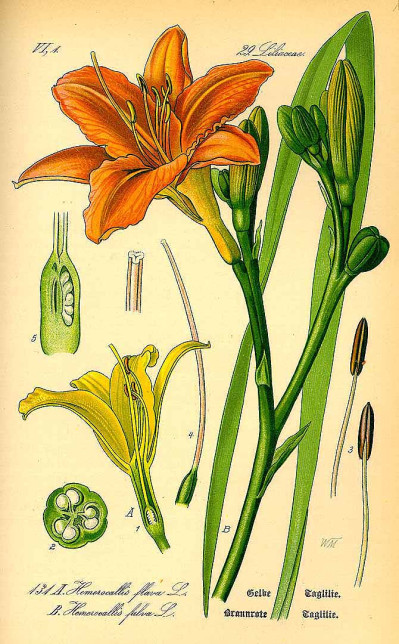
Red-Orange Hemerocallis

 Garden The PlantShare Way ®
~ All About Daylily ~

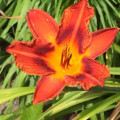
The Orange daylily (Hemerocallis fulva) is a popular choice for gardeners seeking low-maintenance, vibrant color. Known for its striking orange blooms, it thrives in a variety of soil types and can tolerate heat, making it an ideal plant for borders, slopes, and wildflower-style gardens. One of the appealing traits of this hardy perennial is its ability to return year after year with minimal care.
Orange daylily bloom time typically begins in mid to late summer. Each flower lasts only a single day, but the plant produces numerous buds along the stems, ensuring weeks of continuous color. Regular deadheading is optional but can encourage additional blooms and keep the garden tidy. A closely related species, Hemerocallis lilioasphodelus (often called Lemon lily), blooms earlier in the season with soft yellow, lightly fragrant flowers, making it a great companion plant for extending daylily color from early to late summer. The long, arching leaves of both species provide texture even when the flowers are not in full display, adding interest to the garden.
Many gardeners are curious about the culinary uses of this plant. Indeed, Hemerocallis fulva edible flowers, buds, and tubers are safe for human consumption when properly prepared. They have a mild, slightly sweet flavor and can be used in salads, stir-fries, and soups. However, it’s important to be certain of the species before eating, as not all daylilies are edible.
One consideration with invasive tendencies is that it spreads readily via underground rhizomes. In some regions, it can take over garden beds or natural areas if left unchecked. To manage its growth, gardeners can divide the clumps every few years and remove unwanted shoots.
Overall, perennial Orange daylily offers a combination of stunning summer blooms, edible flowers, and easy care. With proper planning and occasional maintenance, it can bring vibrant color and textural interest to your garden while providing an edible bonus for those interested in exploring unique culinary uses.
Hemerocallis fulva grows best in full sun but can tolerate partial shade. At least six hours of direct sunlight per day ensures strong stems, abundant flowers, and vibrant color.
Yes, the bright orange blooms attract a variety of pollinators, including bees, butterflies, and hummingbirds. Planting it near other flowering plants can help create a lively pollinator-friendly garden.
Yes, it can be invasive in certain regions. The plant spreads quickly through underground rhizomes, which allows it to take over garden beds or natural areas if not managed. Dividing clumps every few years helps control its growth.
Each individual flower lasts only one day, which is why it’s called a “daylily.” However, multiple buds on a stem open in succession, so the plant produces continuous blooms for several weeks during the summer.
Last updated on May 31, 2026
Species suggested by: Dina Russell, 2020
Plant Profile compiled and written by: Team PlantShare
Contributors: Team PlantShare
 Ask Us!