


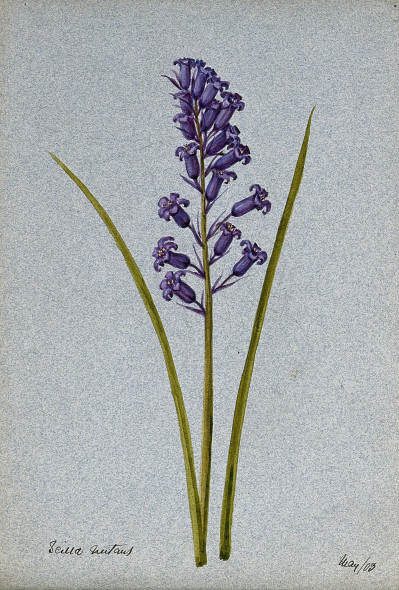
Blue Hyacinthoides

 Garden The PlantShare Way ®

~ All About English Bluebell ~


Bluebells (Hyacinthoides non scripta) are charming spring bloomers that bring rich color and fragrance to gardens and woodland areas. When planning bluebells to grow, it’s important to choose a location with partial shade, such as under deciduous trees or along shaded borders. They thrive in moist, well-draining soil that is rich in organic matter. Plant bulbs in the fall, spacing them about four inches apart and two to three inches deep to allow for natural clumping over time.
Bluebells bloom time usually occurs from mid to late spring, depending on the climate. The nodding, bell-shaped flowers appear in clusters, creating a stunning carpet of color. Once flowering is finished, allow the foliage to die back naturally, as it feeds the bulb for next year’s blooms. Avoid cutting the leaves too early, since they are essential for the plant’s energy storage.
While beautiful, gardeners should be aware that bluebell flowers poisonous properties mean they should not be ingested by humans or pets. Handle them with care and teach children to admire rather than taste these plants.
In some regions, non-native species can be invasive, spreading quickly and outcompeting local plants. Monitor their growth, and consider dividing bulbs every few years to maintain control and keep beds looking neat.
For added spring interest, Muscari armeniacum (grape hyacinth) pairs beautifully with bluebells, producing compact spikes of deep blue flowers in early to mid-spring and thriving in the same well-drained soil and lightly shaded conditions, which creates a layered, natural-looking display.
Proper bluebells care includes watering during dry spells, especially in spring, and mulching lightly to conserve moisture and suppress weeds. Fertilizing is rarely necessary, but a small dose of balanced fertilizer in early spring can encourage stronger blooms. By providing the right shade, soil, and seasonal care, gardeners can enjoy the enchanting beauty of bluebells year after year.
Bluebells typically bloom in mid to late spring, often around April to May, depending on the climate.
Plant bluebell bulbs in the fall, usually between September and November, so they can establish roots before winter.
Yes, bluebells are perennials. Once planted, they return year after year, gradually forming larger clumps.
Choose partial shade and well-draining, humus-rich soil. Plant bulbs two to three inches deep and four inches apart. Water moderately and allow foliage to die back naturally after flowering.
Some non-native bluebell species, like Hyacinthoides hispanica, can become invasive. Native bluebells (H. non-scripta) spread slowly and are less aggressive.
Individual bluebell flowers last several weeks, with peak bloom usually lasting 2–3 weeks in spring.
Plant them in shaded areas under trees, along woodland edges, or in garden borders with partial shade. They thrive where soil is moist but well-drained.
Yes, all parts of bluebells contain toxins. Ingesting them can cause nausea, vomiting, and diarrhea. Handle with care, especially around children and pets.
Bluebells typically reach 12–18 inches (30–45 cm) in height, with flowers forming elegant nodding clusters.
Yes, while most are blue, bluebells can occasionally appear in white or pale pink forms, though these are less common in the wild.
Bluebells can live for many years, often 10–15 years or more, gradually expanding their clumps if left undisturbed.
Last updated on Nov 10, 2026
Species suggested by: Dina Russell, 2020
Plant Profile compiled and written by: Team PlantShare
Contributors: Team PlantShare
 Ask Us!