



 Garden The PlantShare Way ®
~ All About Spotted loosestrife ~


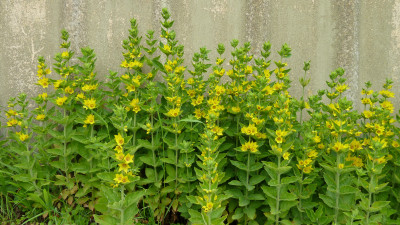
Lysimachia punctata, commonly known as Yellow Loosestrife, is a hardy perennial that suits beginner gardeners who want dependable results without complicated care routines. Its bright yellow, star-shaped flowers and dense green foliage add structure and long-lasting color to borders, cottage gardens, and informal landscapes.
This perennial performs well in USDA hardiness zones 4–8 and adapts easily to full sun or partial shade. Lysimachia punctata prefers moist, well-draining soil, although it tolerates average garden conditions once established. With a suitable location and basic maintenance, the plant develops strong stems and consistent flowering year after year.
One of the main strengths of Lysimachia punctata is its extended bloom period. From late spring through midsummer, tall upright stems fill with vivid yellow flowers that attract bees and other beneficial pollinators. This makes the plant both visually appealing and supportive of a healthy garden ecosystem.
While Lysimachia punctata grows upright, a related species, Lysimachia nummularia (creeping Jenny), spreads low along the ground and works well as a ground cover, making the two plants useful together for layered garden designs.
Spacing plays an important role in long-term success. Lysimachia punctata spreads through underground rhizomes and can become vigorous if left unmanaged. Allowing enough room between plants or dividing mature clumps every few years helps maintain balance and prevents overcrowding.
During the first growing season, regular watering encourages deep root development. After that, Lysimachia punctata requires only moderate care, performing best with consistent moisture and a layer of mulch to reduce weeds and stabilize soil temperature.
For gardeners looking to build confidence, Lysimachia punctata offers reliable growth, strong structure, and vibrant color with minimal effort, making it an excellent choice for beginner-friendly garden design.
Lysimachia punctata grows best in full sun, where it produces the most flowers and stays compact. It can also handle light shade, especially in hot climates, but too much shade may lead to fewer blooms and taller, weaker stems. For beginners, a sunny spot with a few hours of afternoon light is ideal.
This plant spreads through underground rhizomes, so regular control is important. The easiest method is to dig up and divide the clumps every few years. You can also install a root barrier or plant it in a contained area of the garden. Removing unwanted shoots early prevents it from taking over nearby plants.
Yes, mulching is helpful, especially during the first growing season. A light layer of mulch helps retain soil moisture and keeps weeds under control. Avoid piling mulch directly against the stems, as this can trap moisture and cause rot. Organic mulch like bark or compost works well.
The best time to plant Lysimachia punctata is in spring or early fall. These seasons allow the roots to establish before extreme heat or cold arrives. Spring planting gives the plant a full growing season to settle in, making it a reliable choice for new gardeners.
Last updated on May 31, 2026
Species suggested by: Dina Russell, 2020
Plant Profile compiled and written by: Team PlantShare
Contributors: Team PlantShare
 Ask Us!

