



 Garden The PlantShare Way ®

~ All About Rhubarb ~


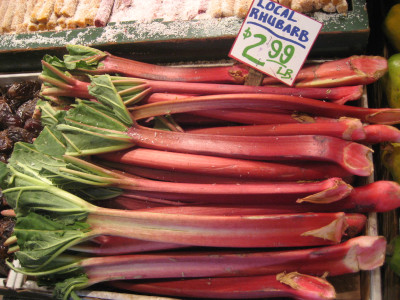
Rhubarb, scientifically known as Rheum rhabarbarum, is a hardy perennial vegetable grown for its tart, crisp stalks. Its large, lush leaves create a dramatic garden presence, while the edible stalks are perfect for pies, jams, and sauces. With proper plant care, rhubarb can thrive for many years, producing reliable harvests each spring and summer.
When planting Rheum rhabarbarum, choose a sunny location with well-drained, fertile soil rich in organic matter. Incorporating compost or well-rotted manure at planting ensures strong root establishment. Space plants at least three feet apart, as mature rhubarb produces large crowns that need room to grow.
Watering is essential, especially during dry periods. Rhubarb prefers consistently moist soil but does not tolerate waterlogged conditions. Mulching around the base helps retain moisture, suppress weeds, and keep the roots cool.
Fertilizing is an important part of rheum plant care. Apply a balanced fertilizer in early spring before new growth emerges and again after the harvest season. Avoid over-fertilizing, which can lead to lush foliage but fewer stalks.
Harvesting should begin in the second year after planting to allow the roots to establish. Pull or twist the stalks gently, leaving at least one-third of the plant intact so it can continue to grow. Never eat the leaves, as they are toxic due to high oxalic acid content.
Regular maintenance, such as removing old leaves and dividing crowns every few years, keeps rhubarb healthy and productive. With proper plant care, this striking perennial provides delicious stalks, visual appeal, and low-maintenance performance. Its combination of edible bounty and bold foliage makes Rheum rhabarbarum a rewarding addition for beginner and experienced gardeners alike.
Rhubarb originally comes from Asia, particularly regions in China and Siberia. It has been cultivated for centuries for both culinary and medicinal uses, and it eventually spread to Europe and North America.
Yes, rhubarb is a perennial. Once established, it comes back every spring and can produce for many years if cared for properly. The crowns continue to grow and produce new stalks annually.
Rhubarb grows best in full sun, which means at least six hours of direct sunlight per day. It can tolerate partial shade, but too little sun may result in smaller stalks and slower growth.
Rhubarb pairs well with plants that benefit from similar growing conditions. Good companion plants include strawberries, which enjoy the partial shade rhubarb can provide, and beans, which help enrich the soil with nitrogen. Avoid planting rhubarb near plants that are shallow-rooted or easily crowded, like lettuce, as rhubarb’s large crowns need space to grow.
Last updated on Nov 15, 2026
Species suggested by: Dina Russell, 2020
Plant Profile compiled and written by: Team PlantShare
Contributors: Team PlantShare
 Ask Us!