


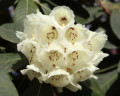
White Rhodie

 Garden The PlantShare Way ®
~ All About Rhododendron ~


Rhododendrons are prized for their lush foliage and showy clusters of flowers, making them a highlight in many landscapes. To grow them successfully, it helps to understand their seasonal habits, care needs, and potential challenges.
The typical Rhododendron blooming time is in spring, though exact timing depends on the variety and climate. Some early types bloom in March, while others flower into June. Choosing a mix of varieties can extend the season of color in your garden.
If you are considering transplanting a Rhododendron, the best time is early spring or fall when temperatures are mild. Move the plant carefully, keeping as much of the root ball as possible. Replant in acidic, well-drained soil with dappled sunlight. After transplanting, water regularly until the plant is established.
Gardeners may face problems with Rhododendrons, such as yellowing leaves, poor flowering, or root rot. These issues often result from alkaline soil, overwatering, or lack of light. Mulching with pine needles and maintaining proper soil pH helps prevent many of these challenges.
One frequent concern is Rhododendrons not blooming. This can happen if flower buds are damaged by frost, if the plant is pruned at the wrong time, or if it receives too much shade. Ensuring proper care and light exposure encourages reliable flowering.
When planning a garden layout, Kalmia latifolia (mountain laurel) makes an excellent companion plant for Rhododendrons. Both plants prefer similar growing conditions, including acidic, well-drained soil and partial shade. Kalmia latifolia complements Rhododendrons with its evergreen foliage and late-spring to early-summer flowers, helping extend seasonal interest once Rhododendron blooms begin to fade. Planting them together also creates a cohesive, woodland-style landscape that looks natural and layered.
It is important to be aware of plant poisoning. All parts of the plant, especially the leaves, are toxic if eaten by humans or pets. While this does not affect their ornamental value, caution should be taken in gardens with children or animals.
With attention to soil, sunlight, and timing, Rhododendrons can thrive and provide years of beautiful spring displays.
Coming soon!
Plant Rhododendrons in acidic, well-drained soil with partial shade. Keep the soil moist but not soggy, and mulch around the base to protect roots.
Most Rhododendrons bloom for two to three weeks in spring. Some varieties have longer or slightly later bloom times.
The best time to plant is in early spring or fall, when temperatures are cool and the soil is workable.
Yes, all parts of Rhododendrons are toxic to people and pets if eaten. They should not be consumed.
Give it acidic soil, steady moisture, and protection from harsh afternoon sun. Avoid heavy pruning, and feed with fertilizer made for acid-loving plants.
Many Rhododendrons are evergreen, keeping their leaves year-round. Some species, however, are deciduous and drop their leaves in winter.
Prune right after the flowers fade in spring. This timing allows new buds to form for the next year.
Trim lightly after blooming to remove dead flowers and shape the plant. Heavy trimming should also be done right after flowering.
Size depends on the variety. Small types may reach 2 to 3 feet tall, while large ones can grow 10 feet or more with time.
Last updated on May 31, 2026
Species suggested by: Dina Russell, 2020
Plant Profile compiled and written by: Team PlantShare
Contributors: Team PlantShare
 Ask Us!