



 Garden The PlantShare Way ®

~ All About Taygetos saxifrage ~


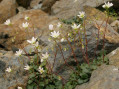
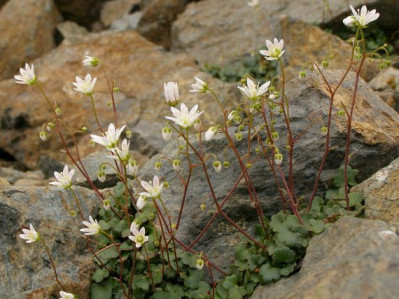
Saxifraga taygetea is a compact alpine plant prized for its tidy rosettes and delicate spring flowers. Native to rocky mountain regions, it thrives where many plants struggle, making it an excellent choice for beginners who want a low-maintenance perennial with high visual impact. As a perennial plant, it returns year after year, forming dense mats that soften stone walls, rock gardens, and gravel beds.
Understanding basic Saxifraga taygetea care is key to long-term success. This plant prefers well-draining soil and dislikes sitting in moisture, especially during winter. A gritty or sandy mix works best. Choose a bright location with full sun to light shade; too much shade reduces flowering, while harsh afternoon sun in hot climates may stress the plant. Water moderately, allowing the soil to dry slightly between watering sessions. Overwatering causes more problems than neglect.
One reason gardeners value Saxifraga taygetea is its resilience. It tolerates cold temperatures well and rarely needs fertilizing. A light feeding in early spring supports healthy growth, but rich soil encourages weak, floppy foliage. Remove spent flowers to keep the plant neat and to direct energy back into the rosettes.
For added structure and color contrast, Festuca glauca ('Elijah Blue') makes an excellent companion plant. Its fine, steel-blue foliage forms neat clumps that highlight the low rosettes of Saxifraga taygetea. Both plants prefer well-drained soil, tolerate dry conditions once established, and thrive in rock gardens and alpine settings, making them easy to grow together with minimal maintenance.
When it comes to propagation, gardeners have several easy options. Division works best in early spring or after flowering. Gently separate offsets from the parent plant and replant them immediately. You can also propagate from cuttings taken from healthy rosettes, which root readily in moist, well-drained soil. Seed propagation is possible but slower and less predictable for beginners.
For gardeners seeking a reliable, attractive alpine plant, Saxifraga taygetea delivers both beauty and durability. With minimal effort and the right growing conditions, this perennial rewards you with structure, texture, and seasonal color—without demanding constant attention.
Yes, Saxifraga taygetea is generally deer resistant. Deer tend to avoid its small, textured leaves and compact growth, making it a reliable choice for gardens in areas with wildlife.
Plant Saxifraga taygetea in well-drained, gritty soil, ideally with a mix of sand and compost. It prefers partial shade to full sun in cooler climates but appreciates some protection from intense afternoon sun. Space plants so they have room to form small rosettes, and avoid waterlogged areas, which can cause root rot.
Yes, this plant does well in pots. Use a shallow container with good drainage and a gritty, well-drained soil mix. Pots allow you to move the plant to a shaded area in hot summer months or protect it from excessive rain.
Yes, Saxifraga taygetea is considered non-toxic to pets. Cats, dogs, and other animals can safely be around the plant without risk of poisoning if they nibble on leaves.
Water moderately and allow the soil to dry slightly between waterings. Overwatering can harm the plant, especially in humid conditions. During hot or dry periods, increase watering slightly, but always ensure the soil drains well to prevent soggy roots. Mulching with gravel or grit can help maintain consistent moisture without waterlogging.
Last updated on May 31, 2026
Species suggested by: Patricia Ross, 2020
Plant Profile compiled and written by: Team PlantShare
Contributors: Team PlantShare
 Ask Us!