



 Garden The PlantShare Way ®

~ All About Rose Campion ~


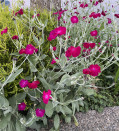
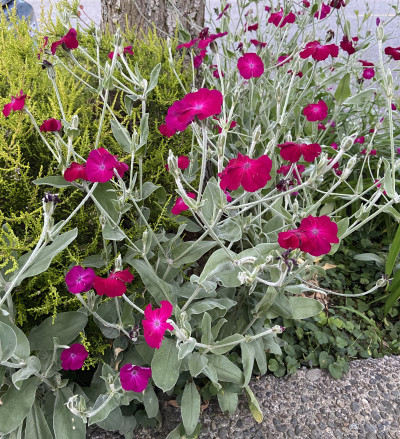
Rose campion (Silene coronaria) is a striking, easy-to-grow perennial that brings vibrant color and texture to gardens. With proper care, this hardy plant produces bright magenta flowers on tall, gray-green stems, making it a standout in borders, cottage gardens, or mixed beds.
The rose campion thrives in full sun and well-drained soil. It tolerates dry conditions once established, which makes it low-maintenance for beginner gardeners. Deadheading spent flowers can extend the its bloom time, encouraging new blossoms throughout the summer months. Light pruning of old stems helps maintain a tidy appearance and promotes healthy growth.
When planning your garden, consider rose campion companion plants that complement its vibrant color and airy texture. Plants such as lavender, catmint, and ornamental grasses create pleasing contrasts and attract pollinators like bees and butterflies. Taller perennials or shrubs behind rose campion can highlight its bright flowers without crowding the plant.
Although generally well-behaved, some gardeners may notice that rose campion has invasive tendencies. It self-seeds readily, which can be advantageous if you want naturalized drifts, but be prepared to thin seedlings to prevent overcrowding.
Rose campion also performs well in containers and rock gardens, providing versatility in garden design. Its drought tolerance, cheerful color, and long-lasting blooms make it a reliable choice for both beginner and experienced gardeners.
With simple care, careful selection of companion plants, and attention to bloom timing, this perennial can brighten your garden season after season. By understanding rose campion care and its growing habits, you can enjoy a vivid, low-maintenance addition that adds color, texture, and pollinator-friendly flowers to your outdoor space.
Plant rose campion seeds in early spring after the last frost, or start them indoors 6–8 weeks before the last expected frost. The seeds need light to germinate, so press them lightly onto the soil surface without covering them completely. Keep the soil moist until seedlings emerge.
Rose campion can self-seed readily, so controlling its spread involves deadheading spent flowers before seeds form. You can also thin seedlings in early spring to prevent overcrowding. Using garden edging or barriers helps contain the plant in defined areas, especially if you don’t want it to naturalize throughout your garden.
Propagation from seed is simple: sow seeds directly outdoors in spring or start them indoors in trays. For cuttings, take 4–6 inch non-flowering stems in late spring or early summer. Remove lower leaves, dip the cut end in rooting hormone, and plant in well-drained soil or a mix of sand and compost. Keep the cuttings moist until roots establish.
The flowering season of rose campion typically lasts from late spring through midsummer, about 6–8 weeks. Deadheading spent blooms can sometimes extend the display slightly and encourage tidier growth.
Rose campion prefers well-drained soil that is slightly sandy or gritty. It tolerates poor soils but avoids heavy clay or waterlogged areas. A neutral to slightly alkaline pH is ideal. Adding compost at planting helps seedlings establish, but once mature, rose campion is fairly low-maintenance and drought-tolerant.
Last updated on Nov 15, 2026
Species suggested by: Dina Russell, 2020
Plant Profile compiled and written by: Team PlantShare
Contributors: Team PlantShare
 Ask Us!