



 Garden The PlantShare Way ®
~ All About Pink echeveria ~

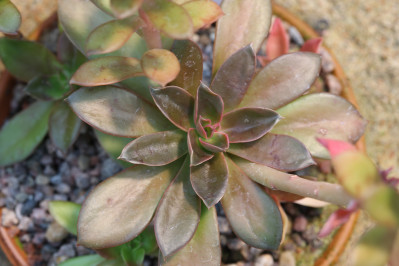
Echeverias are among the most popular succulents for home and garden use, known for their rosette shapes, fleshy leaves, and stunning colors. With so many echeveria types available, there’s a perfect choice for every style, from compact windowsill plants to statement pieces in outdoor arrangements.
Common echeveria succulent varieties include Echeveria elegans, also called the Mexican snowball, with soft blue-green leaves and a powdery coating. Echeveria agavoides, known as the lipstick echeveria, features pointed leaves tipped in red for a bold look. Echeveria ‘Lola’ has pastel tones of lavender and pink, while Echeveria ‘Perle von Nürnberg’ is admired for its silvery purple leaves.
When choosing echeveria types, consider the space and light you can provide. Most varieties thrive in full sun or bright indoor light. Outdoors, they do well in USDA zones 9–11, but in cooler areas, they should be grown in containers and brought inside during frost.
Caring for echeveria succulent varieties is simple. Plant them in well-draining soil, such as a cactus mix, and water only when the soil is completely dry. Overwatering is the most common cause of problems, so use the “soak and dry” method to keep roots healthy. These succulents benefit from good air circulation and protection from prolonged dampness.
Propagation is easy with many echeveria types, either by separating offsets (“pups”) or rooting healthy leaves. Most varieties bloom in spring or summer, producing colorful flower stalks that attract hummingbirds and pollinators.
By exploring the range of echeveria succulent varieties, gardeners can create vibrant, low-maintenance displays in pots, rock gardens, or mixed succulent arrangements. With the right light, soil, and watering routine, these plants reward you with year-round beauty and unique forms that make them stand out in any collection.
Most Echeveria grow between 4 and 12 inches tall and wide, depending on the variety. Some can reach up to 16 inches across in ideal conditions.
An Echeveria is a rosette-forming succulent native to the Americas, valued for its fleshy leaves, colorful forms, and low maintenance needs.
Yes. Echeveria rosea grows very well in containers as long as the pot has drainage holes and uses well-draining succulent soil.
Yes. Echeveria rosea is considered non-toxic to cats, dogs, and humans, making it pet-friendly.
Last updated on May 31, 2026
Species suggested by: Simone Feurstein, 2020
Plant Profile compiled and written by: Team PlantShare
Contributors: Team PlantShare
 Ask Us!