



 Garden The PlantShare Way ®

~ All About Beet ~


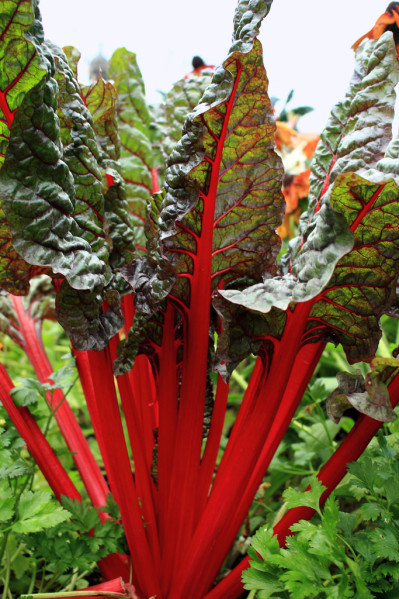
The Beta vulgaris, commonly known as Beetroot, is a versatile and nutritious root vegetable that’s easy to grow and perfect for beginner gardeners. Recognized for its rich color and earthy flavor, this plant offers both edible roots and leafy tops, making it a valuable addition to any home garden.
The plant origin traces back to the Mediterranean region, where it was first cultivated for its leafy greens rather than its roots. Over time, selective breeding led to the round, bulb-shaped varieties we enjoy today. Ancient civilizations like the Greeks and Romans used beets for both culinary and medicinal purposes, appreciating their taste and health benefits.
Growing Beta vulgaris is simple with the right conditions. Beets thrive in full sun and prefer loose, well-drained soil that’s rich in organic matter. The soil should be kept consistently moist but not waterlogged. Sow seeds directly into the ground once the danger of frost has passed, spacing them about 2 inches apart. Thin seedlings early to allow enough room for roots to develop properly.
Beets also grow well alongside companions like Brassica oleracea var. italica and Brassica oleracea var. sabellica. These cool-season crops share similar sunlight and soil requirements, making them compatible in the same garden bed. Broccoli grows upright while kale forms leafy clusters, and together they create a layered planting arrangement that maximizes space. Since beets develop underground and brassicas grow above the soil surface, they don’t compete heavily for nutrients, allowing all three plants to thrive when spaced properly.
Regular watering is essential for tender roots, and a light mulch layer can help retain soil moisture. Beets usually mature within 50–70 days, depending on the variety. Harvest when the roots are about the size of a golf ball for the best texture and flavor.
Both the roots and greens of Beta vulgaris are edible and packed with nutrients like iron, folate, and antioxidants. The greens can be sautéed or added to salads, while the roots are delicious roasted, pickled, or blended into smoothies.
Understanding origin and care helps gardeners appreciate this ancient crop even more. With minimal effort, you can enjoy a vibrant, homegrown harvest that’s as beautiful as it is nutritious.
Beetroots come from the Mediterranean region, where they were first grown thousands of years ago. Early farmers originally harvested them for their leafy greens before the root became popular as a food crop. Over time, beets spread across Europe and Asia, becoming a staple vegetable known for their color, flavor, and nutrition.
Yes, Beetroots are a root vegetable. The round, fleshy part that grows underground is the plant’s root, while the leafy tops grow above the soil. Both parts are edible and packed with nutrients, making beets a versatile choice for cooking and gardening.
Beta vulgaris typically takes about 50 to 70 days to mature after planting. Smaller baby beets can be harvested earlier for a sweeter taste, while full-sized roots are ready once they reach about 2 inches in diameter. Growth speed depends on temperature, soil quality, and watering.
Beta vulgaris grows best in full sun, which helps the roots develop properly and enhances their color and flavor. It can tolerate light shade, but too little sunlight may slow growth and reduce the size of the roots. Aim for at least six hours of sunlight each day for healthy, productive plants.
Last updated on Jun 13, 2026
Species suggested by: Dina Russell, 2020
Plant Profile compiled and written by: Team PlantShare
Contributors: Team PlantShare & Jeffrey Lazar
 Ask Us!