



 Garden The PlantShare Way ®


~ All About Cape Agapanthus ~


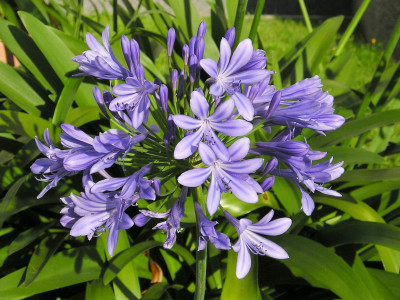
The Agapanthus africanus, often called Lily of the Nile, is a striking perennial known for its tall stems and globe-shaped clusters of blue or white flowers. With the right conditions, it can bloom beautifully year after year. Understanding proper plant care helps beginners grow this plant successfully in gardens or containers.
When it comes to Agapanthus growing conditions, these plants thrive in full sun and well-draining soil. They prefer slightly sandy or loamy soil with moderate fertility. Too much shade can reduce flowering, so aim for at least six hours of sunlight daily. The growing zones generally range from USDA 8–11, though some varieties tolerate slightly cooler climates.
Proper watering is essential. The water requirements are moderate — keep the soil evenly moist during active growth in spring and summer, but let it dry slightly between waterings. Once established, agapanthus is drought-tolerant, making it a great low-maintenance option for sunny gardens.
After the flowering season, plant pruning keeps the plant tidy and encourages new growth. Remove faded blooms and yellowing leaves to maintain shape and prevent seed spread. Light agapanthus trimming during fall helps prepare the plant for dormancy.
If you need to move or divide your plants, Agapanthus transplanting is best done in early spring or fall. Lift the clump carefully, divide it with a sharp knife, and replant each section at the same depth it was growing before.
When growing in cooler regions, consider cold hardiness. These plants can handle mild frost but may need protection or overwintering indoors in colder climates.
With consistent care and attention to watering, sunlight, and pruning, Agapanthus africanus will reward you with elegant blooms that add timeless beauty to any landscape.
Agapanthus typically bloom in summer, from June to August. In warmer climates, some varieties may flower earlier or continue into early fall. The large, round clusters of blue or white flowers can last several weeks if the plant is healthy and gets enough sunlight.
Prune Agapanthus by cutting off spent flower stalks at the base once the blooms fade. This keeps the plant neat and prevents it from using energy to produce seeds. Remove any yellow or damaged leaves to improve air circulation and encourage new growth.
To trim Agapanthus, use clean garden shears to cut back dead or overgrown leaves close to the base. Trimming in late fall or early spring helps tidy the plant and prepares it for the next growing season. Avoid cutting healthy green leaves during active growth.
Plant Agapanthus in spring or early fall when the soil is warm but not hot. This gives the roots time to establish before blooming season or winter cold.
Yes, Agapanthus is a perennial. It returns each year, producing new leaves and flower stalks during the growing season.
The easiest way to propagate Agapanthus is by division. Dig up the plant after flowering, separate the clumps with a knife, and replant them right away in moist, well-drained soil.
Agapanthus can tolerate light shade but bloom best in full sun. Too much shade reduces flowering and slows growth.
Lack of sunlight, overwatering, or overcrowding can prevent Agapanthus from blooming. Divide old clumps every 3–4 years, ensure good drainage, and place them in a sunny spot.
Yes, all parts of Agapanthus are mildly poisonous if ingested and can cause skin irritation. Wear gloves when handling and keep them away from pets and children.
Last updated on Aug 02, 2026
Species suggested by: Deane Easterling, 2021
Plant Profile compiled and written by: Team PlantShare
Contributors: Team PlantShare & Jeffrey Lazar
 Ask Us!