


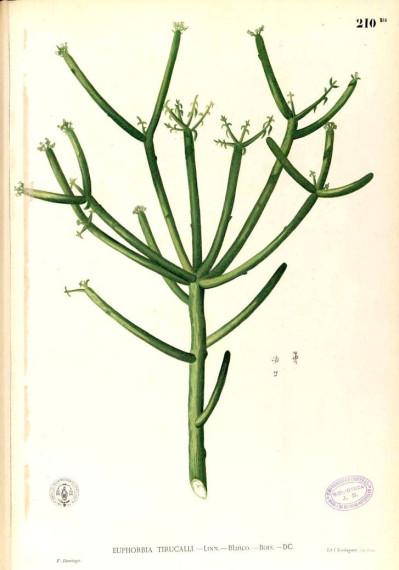
Green Pencil Euphorbia

 Garden The PlantShare Way ®
~ All About Pencil tree ~

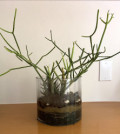
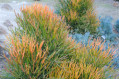
The Euphorbia tirucalli, commonly called the pencil cactus or firestick plant, is a striking succulent known for its vivid red-orange stems and bold, architectural shape. Gardeners must remember that this plant is toxic to humans and pets. Its sap can irritate skin or eyes, so always wear gloves and handle it carefully.
Successful Euphorbia tirucalli care begins with bright, indirect light and well-draining soil. It thrives in warm conditions, making it ideal for year-round indoor enjoyment. Water sparingly, allowing the soil to dry completely between waterings to prevent root rot, one of the most common problems. Prune in spring or early summer using sharp, clean shears, and avoid contact with the sap. Dispose of trimmings safely, as even dried pieces remain irritating.
Propagation is straightforward. Take a healthy stem, let the cut end callus for several days, then plant it in sandy soil. Keep the cutting in a warm, bright spot and water sparingly until roots develop.
When planning a visually appealing succulent display, consider companion plants like Lavandula angustifolia and Aloe vera. Lavandula angustifolia, or English lavender, offers aromatic foliage and soft purple blooms that contrast beautifully with the firestick’s bold stems. Its drought tolerance and low maintenance complement Euphorbia tirucalli’s care routine. Aloe vera adds structural interest with thick, green leaves while also thriving in similar light and soil conditions, creating a low-maintenance, cohesive arrangement. Both companions enhance aesthetic appeal while ensuring that all plants in the grouping flourish under similar conditions.
Beyond ornamental value, Euphorbia tirucalli has a long history in traditional medicine. Folk remedies include applications for warts and respiratory issues, though its toxicity makes such uses risky without expert guidance.
By combining proper care, safety precautions, and compatible companions like Lavandula angustifolia and Aloe vera, even beginners can enjoy the dramatic color, texture, and longevity of Euphorbia tirucalli in their indoor or outdoor succulent collections.
Some studies suggest that the sap of certain Euphorbia plants, including pencil cactus, contains compounds that may be harmful and could be linked to cancer if there is long-term or repeated exposure. The sap can also irritate skin, eyes, and mucous membranes. Always handle these plants with care and avoid contact with the sap.
Last updated on Jul 15, 2026
Species suggested by: Catherine Ko, 2021
Plant Profile compiled and written by: Team PlantShare
Contributors: Team PlantShare
 Ask Us!

