



 Garden The PlantShare Way ®

~ All About Barren Strawberry ~


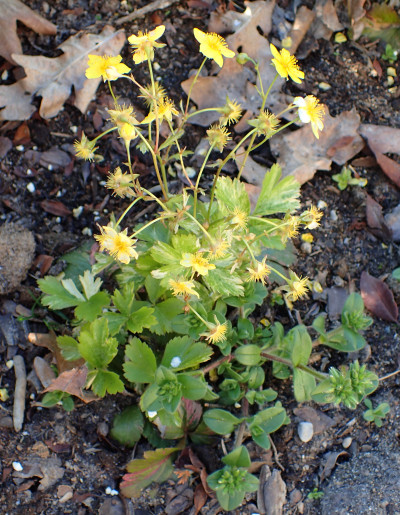
The barren strawberry plant (Waldsteinia ternata) is an excellent choice for gardeners looking to add beauty and function to their landscape. Known for its bright yellow spring blooms and dense green foliage, this low-growing perennial works exceptionally well as a ground cover, creating a lush carpet that suppresses weeds and reduces the need for constant maintenance.
Gardeners appreciate its adaptability. The Waldsteinia ternata thrives in both sun and partial shade, tolerates various soil types, and maintains its attractive foliage throughout the year in many climates. It’s ideal for planting along borders, under trees, or in areas where grass struggles to grow.
If you’re starting from scratch, barren strawberry seeds offer an affordable way to establish a healthy spread over time. While seeds take longer to fill in compared to planting divisions, they allow for covering large spaces at a lower cost. For quicker results, small nursery plants or divisions can be used, ensuring faster coverage and earlier blooms.
Some gardeners wonder if Waldsteinia ternata invasive tendencies are a concern. While this plant spreads steadily by runners, it’s generally considered non-invasive in most regions. Its growth is manageable, and regular trimming or thinning can easily control its spread, making it a safe option for most garden designs.
One of the key benefits of using Waldsteinia ternata as ground cover is its low maintenance. Once established, it requires minimal watering, resists many common pests, and can handle occasional foot traffic. Its evergreen or semi-evergreen nature ensures your garden retains visual interest even in winter.
For gardeners exploring alternative or complementary ground covers, Ajuga reptans and Pachysandra terminalis are also popular choices. Ajuga reptans, commonly known as bugleweed or carpet bugle, offers glossy foliage in shades of green, bronze, or purple and produces striking blue flower spikes in spring, thriving in similar sun-to-partial-shade conditions. Pachysandra terminalis, or Japanese spurge, is well-suited to shaded areas, forming a dense, evergreen mat that excels beneath trees and shrubs where other plants may struggle.
Whether you start with seeds or ready-to-plant divisions, this versatile and resilient perennial offers long-lasting beauty, soil protection, and an easy-care solution for both new and experienced gardeners. With the right placement and occasional upkeep, the barren strawberry plant can transform empty spaces into vibrant, thriving ground cover.
Barren strawberries (Waldsteinia ternata) usually grow about 4 to 8 inches (10 to 20 cm) tall. They spread low to the ground, forming a dense mat of leaves.
You can propagate Waldsteinia ternata by dividing the plants in spring or fall. Carefully dig up a section, split it into smaller clumps with roots attached, and replant them in the desired spot. They can also spread naturally through runners.
Last updated on May 31, 2026
Species suggested by: Patricia Ross, 2021
Plant Profile compiled and written by: Team PlantShare
Contributors: Team PlantShare
 Ask Us!