



 Garden The PlantShare Way ®

~ All About Coriander ~


Growing coriander (Coriandrum sativum) is one of the easiest ways to add fresh, bright flavor to your cooking, and beginners can master it quickly with the right approach. Many gardeners are surprised to learn how many different types of coriander exist, each offering unique traits for taste, aroma, and growth style. Exploring these options helps you choose the best fit for your climate and kitchen needs.
The most familiar choices fall under common cilantro varieties, which include slow-bolting strains that stay leafy longer in warm weather and narrow-leaf types that grow quickly in cooler seasons. Some gardeners prefer Vietnamese coriander, a heat-loving plant with a sharper, spicier flavor. Each of these options handles garden beds, raised planters, and containers without much trouble, making them flexible for small spaces.
To get started, sow coriander seeds directly into loose, well-drained soil. The roots dislike being disturbed, so avoid transplanting if possible. Place the plants in a sunny location with light afternoon shade during peak summer heat. Water regularly, but never let the soil stay soggy. Proper spacing keeps airflow strong and reduces the chances of early bolting.
One advantage of growing coriander is the wide range of plant uses. The fresh leaves brighten salsa, soups, noodle dishes, and marinades. The seeds offer warm, citrus-like notes that work well in spice blends, pickling liquids, and baked goods. Even the stems carry flavor and can be added to broths or sauces for an extra boost.
Coriander pairs well in the garden with other culinary herbs such as Origanum vulgare (oregano) and Petroselinum crispum (parsley). Oregano is a perennial herb valued for its bold, savory flavor and dried leaves, which are widely used as a spice in Mediterranean cooking. Parsley, while milder, is prized for its fresh leaves and frequent use as both a seasoning and garnish, making these herbs a practical and flavorful trio for home gardens.
When you understand the different types of coriander, you can plan your garden to supply a steady harvest throughout the season. Mixing several varieties increases your chances of having fresh leaves before the plants shift into flowering mode. With simple care and regular harvesting, coriander becomes a reliable, flavorful addition to any beginner garden.
Coriander began in regions around the Mediterranean and parts of Western Asia. People have grown it there for thousands of years, both for cooking and for medicine.
Another common name is cilantro. In many places, “cilantro” refers to the fresh leaves, while “coriander” refers to the seeds. Both come from the same plant.
Coriander is an annual. It grows fast, produces leaves, flowers, and seeds within one season, and then the plant dies.
Dried coriander usually means the dried seeds of the plant. They are small, round, and used as a spice. When ground, they add a warm, slightly citrus flavor to food.
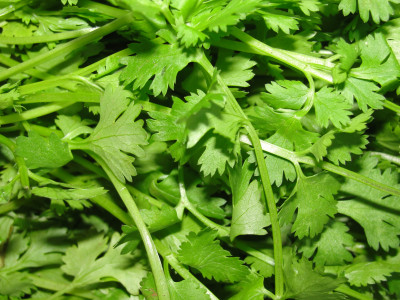
A growing coriander plant has soft, bright green leaves. The lower leaves look rounded and lacy, while the upper leaves become thin and feathery as the plant prepares to flower. It grows on slender stems and forms small white or pale pink blossoms near the top later in the season.
Last updated on May 31, 2026
Species suggested by: Dina Russell, 2020
Plant Profile compiled and written by: Team PlantShare
Contributors: Team PlantShare
 Ask Us!