



 Garden The PlantShare Way ®

~ All About Parsley ~


Parsley is one of the most useful and beginner-friendly herbs you can grow, valued for both flavor and fresh green texture in the garden. Known botanically as Petroselinum crispum, this herb works equally well in garden beds, raised plots, and containers, making it a practical choice for small or large spaces.
Understanding how parsley grows helps set realistic expectations. Petroselinum crispum is a biennial, which means it focuses on leaf growth in the first year and produces flowers and seeds in the second. Most gardeners grow it as an annual to enjoy the best leaf quality. Parsley prefers cool to mild temperatures and grows best in spring and fall rather than extreme summer heat.
Choose a sunny to lightly shaded location with loose, well-drained soil. Parsley roots grow deep, so soil preparation matters. Mixing compost into the planting area improves drainage and supports steady growth. Seeds take longer to sprout than many herbs, sometimes up to three weeks, so patience is important during early stages.
Water parsley consistently, keeping the soil evenly moist but not soggy. Irregular watering can cause slow growth and bitter leaves. Avoid heavy fertilizing, as too much nitrogen produces soft growth with weaker flavor. A light feeding with compost or balanced fertilizer once or twice per season is enough.
Regular harvesting keeps parsley productive. Cut outer stems first, leaving the center of the plant intact so new leaves continue to form. This method encourages steady regrowth and extends the harvest period. If flower stalks appear, remove them to keep energy focused on leaf production.
Like parsley, Coriandrum sativum (coriander) is another popular culinary herb, valued both for its fresh leaves and its dried seeds, which are widely used as a spice in many cuisines. Oregano (Origanum vulgare) is also a common kitchen herb, appreciated for its aromatic, savory flavor and perennial growth, making it a long-lasting companion to parsley in herb gardens.
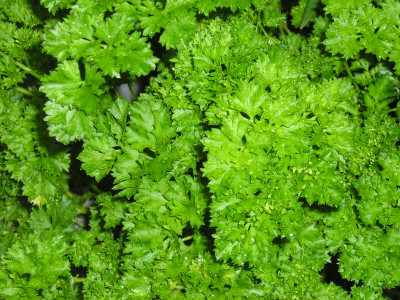
Parsley also offers visual appeal. Its crisp green foliage works well as edging or filler among vegetables and flowers. Whether grown for cooking or garden structure, Petroselinum crispum delivers dependable results with minimal effort, making it a smart addition for gardeners at any experience level.
Parsley is usually considered an herb, not a vegetable. While you can eat the leaves like a leafy green, it is mainly grown for flavor rather than as a food staple.
Parsley (Petroselinum crispum) is a biennial. It grows leaves the first year and flowers in the second. Most gardeners grow it as an annual for leaf harvest.
Parsley originates from the Mediterranean region. It has been used in cooking and medicine for thousands of years.
Parsley is grown worldwide, in home gardens, herb beds, and commercial farms. It thrives in temperate climates with sun and well-drained soil.
Yes, parsley is a herb. Its leaves are used fresh or dried to flavor food, and it is also grown for garnish or companion planting in gardens.
Last updated on May 31, 2026
Species suggested by: Dina Russell, 2020
Plant Profile compiled and written by: Team PlantShare
Contributors: Team PlantShare
 Ask Us!