



 Garden The PlantShare Way ®

~ All About Evergreen Huckleberry ~


For gardeners looking to add flavorful berries to their landscape, learning about the different types of blueberry bushes and their care is a great starting point. Blueberries range from lowbush varieties, which stay compact and ideal for small gardens, to highbush types that can reach several feet tall. Knowing the expected blueberry tree size helps you plan spacing and layout for a healthy, productive patch.
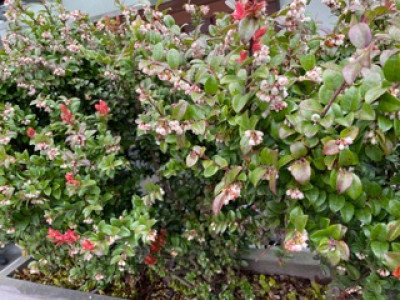
In addition to blueberries, growing huckleberry (Vaccinium ovatum) can be a rewarding choice. While related, huckleberries have a slightly tangier flavor and thrive in cooler climates. There are several huckleberry varieties, including black, red, and evergreen types, each with unique flavors and harvest times. Understanding the right huckleberry growing conditions is key to success. Most require acidic soil, consistent moisture, and partial to full sunlight.
Among the blueberries, Vaccinium corymbosum (highbush blueberry) is the most common cultivated variety, prized for its large, sweet berries and adaptability to home gardens. Another important species is Vaccinium macrocarpon, known as the American cranberry, which grows in boggy soils and produces tart red berries often used in sauces and juices.
When selecting berry plants, match the species to your climate. Blueberries generally prefer USDA zones 3–8, while huckleberries often do best in cooler, mountainous regions. Both benefit from soil rich in organic matter. Adding compost and ensuring good drainage will encourage strong root development.
Plant blueberries in rows with enough space for airflow to prevent disease. Prune in late winter to remove weak or old branches and encourage fresh growth. Huckleberries require less pruning but benefit from occasional thinning to allow light into the center of the plant.
Harvest times vary. Blueberries typically ripen in mid- to late summer, while huckleberries are often ready in late summer or early fall. Both can be enjoyed fresh, frozen, or used in pies, jams, and baked goods.
By choosing the right types of blueberry bushes and learning proper huckleberry growing conditions, you can enjoy years of delicious harvests from these versatile plants. Whether you prefer the sweetness of blueberries or the wild flavor of huckleberries, both will bring beauty and bounty to your garden.
Yes. Huckleberries are safe to eat and are known for their sweet-tart flavor. They are often used fresh, dried, or in jams, pies, and sauces.
Plant huckleberries in acidic, well-draining soil. Choose a sunny or partly shaded spot. Keep the soil evenly moist and add organic matter like compost. They grow slowly, so patience is important.
Huckleberries can be deep blue, purple, black, or red, depending on the variety and ripeness.
They grow mainly in cooler climates of North America, especially in mountainous and forested areas in the Pacific Northwest and northern states.
Last updated on Jul 13, 2026
Species suggested by: Susan Lapidus, 2022
Plant Profile compiled and written by: Team PlantShare
Contributors: Team PlantShare
 Ask Us!