



 Garden The PlantShare Way ®

~ All About Highbush Blueberry ~


Growing Highbush blueberries (Vaccinium corymbosum) is a rewarding way to add fresh, sweet fruit to your garden. Understanding their care ensures healthy plants and abundant harvests. Start by choosing a location with full sun and well-draining, acidic soil. Highbush blueberries thrive when the soil pH stays between 4.5 and 5.5, so consider testing your garden soil before planting.
Proper watering is essential for Highbush blueberry care. These plants prefer consistent moisture, especially during the first few years and while the berries are forming. Mulching with pine needles or bark helps retain soil moisture, suppress weeds, and maintain acidity. Fertilize lightly in early spring with a balanced fertilizer formulated for acid-loving plants.
When selecting plants, explore different varieties to extend your harvest season and improve pollination. Popular varieties include ‘Bluecrop,’ ‘Jersey,’ and ‘Duke,’ each offering unique flavor profiles and ripening times. Planting two or more compatible varieties increases fruit set and encourages larger berries.
Pruning is an important aspect of Highbush blueberry care. Remove weak, crossing, or older stems in late winter to promote new growth and better berry production. Healthy pruning also improves air circulation, reducing the risk of fungal diseases.
In addition to Highbush blueberries, Vaccinium ovatum, commonly known as evergreen huckleberry, is an excellent choice for gardeners seeking year-round greenery and edible berries. This shrub thrives in partial shade and acidic, well-drained soil, offering glossy foliage and small, sweet berries that mature later in the season.
Vaccinium macrocarpon, or cranberry, is another related species valued for its low-growing, mat-forming habit and tart, bright red fruit. Cranberries prefer wetter, acidic soils and can be a unique addition to damp garden spots or bog gardens, providing both ornamental ground cover and edible harvests.
By paying attention to sunlight, water, and soil needs, along with choosing the right varieties, gardeners can enjoy years of flavorful harvests. Regular maintenance, including pruning and mulching, keeps plants vigorous and productive.
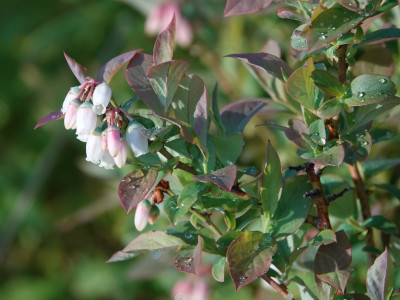
Highbush blueberries not only provide delicious fruit but also enhance your garden with attractive foliage and spring flowers. With consistent plant care, even beginner gardeners can cultivate these hardy, rewarding shrubs and enjoy fresh, homegrown berries each season.
Yes, Vaccinium corymbosum, commonly known as Highbush blueberry, is native to eastern and northeastern North America. It naturally grows in forests, wetlands, and acidic soils across the region.
Highbush blueberries typically grow 4–6 feet tall, though some well-cared-for plants can reach 8 feet. Pruning helps maintain size and encourages better fruit production.
Vaccinium corymbosum does best in full sun. Aim for at least 6–8 hours of direct sunlight daily to promote strong growth and larger, sweeter berries.
You can propagate it through softwood or hardwood cuttings, layering, or division. Softwood cuttings in late spring root well, while hardwood cuttings taken in winter can also grow into new plants. Division works for mature clumps, though it’s less common.
Last updated on May 31, 2026
Species suggested by: Dina Russell, 2022
Plant Profile compiled and written by: Team PlantShare
Contributors: Team PlantShare
 Ask Us!