




 Garden The PlantShare Way ®

~ All About Cranberry ~


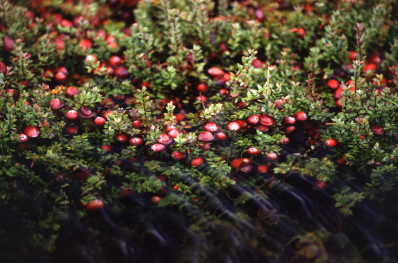
Growing cranberries (Vaccinium macrocarpon) at home is easier than many gardeners expect, especially if you want a low, spreading plant that also produces fruit. When used correctly, cranberry ground cover can transform a damp corner of the yard into a productive and attractive planting. This hardy plant forms dense mats of slender stems and glossy leaves, which gives your landscape a clean, natural look through every season.
If you want successful Vaccinium macrocarpon growing, start with the right conditions. Cranberries thrive in acidic soil, ideally with a pH between 4.0 and 5.5. They also appreciate consistent moisture, so choose a site that stays damp but not flooded. Full sun encourages stronger growth and more berries, although light shade won’t harm them. Add a layer of sand or fine mulch to help roots spread, and water often enough to keep the surface from drying out. Once established, cranberries grow slowly but steadily, filling in bare spaces with bright green foliage.
In addition to cranberries, Vaccinium ovatum, or evergreen huckleberry, is a popular choice for gardeners seeking year-round foliage and edible berries. This shrub is native to the West Coast and thrives in partial shade with well-drained, acidic soil. Its dark green leaves and sweet, black berries add both ornamental value and harvest potential.
Another widely grown species is Vaccinium corymbosum, the highbush blueberry, favored for its large, sweet berries and adaptability to a range of garden conditions. Unlike cranberries, highbush blueberries grow as taller shrubs and require slightly less moisture, making them suitable for various landscapes.
Understanding cranberry propagation helps you expand your patch or share plants with others. The easiest method is rooting runners, which naturally grow along the ground and form new nodes. Gently press these stems into the soil, keep them moist, and wait for new root growth. You can also start cranberries from cuttings, but they need steady humidity and slightly warmer temperatures to get started. Seeds are possible but require patience, as they germinate slowly and produce varying results.
Cranberries reward regular care with a flush of white flowers in late spring and colorful berries in fall. Even a small bed can provide enough fruit for sauces, smoothies, and baking. With the right approach, Vaccinium macrocarpon offers beauty, resilience, and dependable harvests, making them a smart choice for gardeners who want both form and function in their landscape.
Yes, you can eat fresh cranberries, but they taste very sour and a bit bitter. Most people prefer them cooked or sweetened.
Cranberries are usually harvested in the fall. The main picking time is from late September through early November, depending on the weather.
You can use fresh cranberries in sauces, jams, baked goods, salads, and smoothies. They also work well in chutneys or cooked with meat for a tart flavor.
Cranberries don’t actually grow in water. They grow on low vines in sandy soil. Farmers flood the fields only during harvest to help the berries float for easier collecting.
Cranberries are used for juice, dried snacks, sauces, desserts, and holiday dishes. They’re also added to teas, smoothies, and baked goods for their sharp, fruity taste.
Cranberries grow naturally in cooler parts of North America. They are mainly farmed in the northeastern United States, the Great Lakes region, and parts of Canada.
Cranberries need acidic soil, steady moisture, and full sun. Plant them in sandy, well-drained soil and keep the area damp but not flooded. Add mulch to hold moisture, and give the plants a few years to spread before expecting a full harvest.
Last updated on Jul 25, 2026
Species suggested by: Dina Russell, 2025
Plant Profile compiled and written by: Team PlantShare
Contributors: Team PlantShare
 Ask Us!