



 Garden The PlantShare Way ®
~ All About Burning bush ~


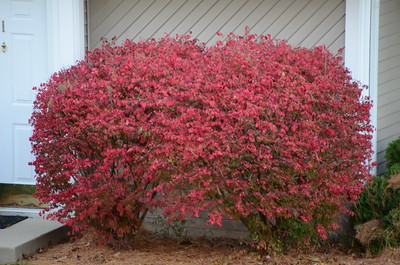
The burning bush (Euonymus alatus) is a popular ornamental shrub known for its bright red fall color and easy care. Many gardeners choose to grow burning bush as a hedge, screen, or focal plant because it brings strong visual impact with very little effort. With the right placement and simple maintenance, this shrub can thrive for many years.
Understanding the burning bush light requirements is the first step to success. This plant grows best in full sun to partial shade. In full sun, the fall color becomes more intense, while light shade still supports healthy growth. Plant it in well-draining soil and water regularly during its first growing season to help establish strong roots.
Proper pruning helps keep the plant full and well-shaped. You can trim burning bushes in late winter or early spring before new growth begins. Remove damaged branches and lightly shape the shrub to control its size. Avoid heavy pruning in late summer, as this can reduce fall color.
If you want to expand your garden, propagating burning bush is fairly simple. Take softwood cuttings in early summer, place them in moist soil, and keep them warm and lightly shaded until roots form. Another option is transplanting it in early spring or fall when the weather is cooler and the plant feels less stressed.
When choosing burning bush companion plants, look for varieties that enjoy similar conditions, such as hostas, daylilies, ornamental grasses, or boxwood. These plants create an attractive contrast and support healthy growth.
It is important to note that burning bush berries are poisonous, especially to pets and children. Always plant with care and keep berries out of reach. With good planning and attention, the burning bush can be a standout in your landscape year-round.
Prune in late winter or early spring before new growth begins. This timing encourages healthy, dense growth and maintains a neat shape.
You can lightly trim anytime during the growing season to control size or shape, but major trimming is best in late winter or early spring.
Yes, in some regions, burning bush is considered invasive because it spreads easily and can outcompete native plants. Check local guidelines before planting.
Plant in early spring or fall when temperatures are cooler. This allows the roots to establish before hot or cold weather arrives.
Yes, deer generally avoid burning bush because of its bitter taste, making it a good option for areas with frequent deer activity.
Take softwood cuttings in early summer. Place them in moist soil, keep them shaded and warm, and wait for roots to form before transplanting.
It grows best in full sun, which brings out its brightest red fall color. It can tolerate partial shade, but the foliage color may be less vibrant.
Choose well-draining soil in a sunny or partly shaded spot. Avoid wet areas and plant away from structures if the shrub will grow large.
Yes, it is deciduous and loses its leaves in late fall after turning bright red.
Good companions include hostas, ornamental grasses, daylilies, and boxwood, which enjoy similar light and soil conditions.
Space plants 8–10 feet apart to allow room for mature growth and air circulation.
Last updated on Jul 15, 2026
Species suggested by: RhondaDT, 2024
Plant Profile compiled and written by: Team PlantShare
Contributors: Team PlantShare & RhondaDT
 Ask Us!